
Five nights can be enough for a safari, but a little more time often changes everything. Discover why the most rewarding safari experiences come from slowing down, staying longer, and embracing the natural rhythm of the bush.
It's the most common itinerary I see from first-timers who've planned their own trip. Five nights. Tight, efficient, maximised. Enough to see the Big Five, get the photographs, come home having "done" a safari.
And it's not wrong. Five nights in a good reserve will give you extraordinary sightings. But there's something it almost never gives you: the rhythm.
A safari doesn't really begin until you've stopped watching the clock. That usually takes two or three days, the early starts, the unfamiliar sounds, the animal patterns, the guide's reading of the bush. By day three, most guests have found it. By day five, they've just arrived there and it's time to leave.
Wildlife doesn't work to a schedule, either.
You may see a leopard on your first drive, or not until your final morning. A pride of lions may spend two days sleeping in thick bush before suddenly becoming active. A longer safari doesn't guarantee more sightings, but it does give nature more opportunities to surprise you.
And often, those unexpected moments become the stories people remember most.
If you're still deciding where to begin, our guide to Where to Start With Your First Safari explores the key decisions that shape every first safari.
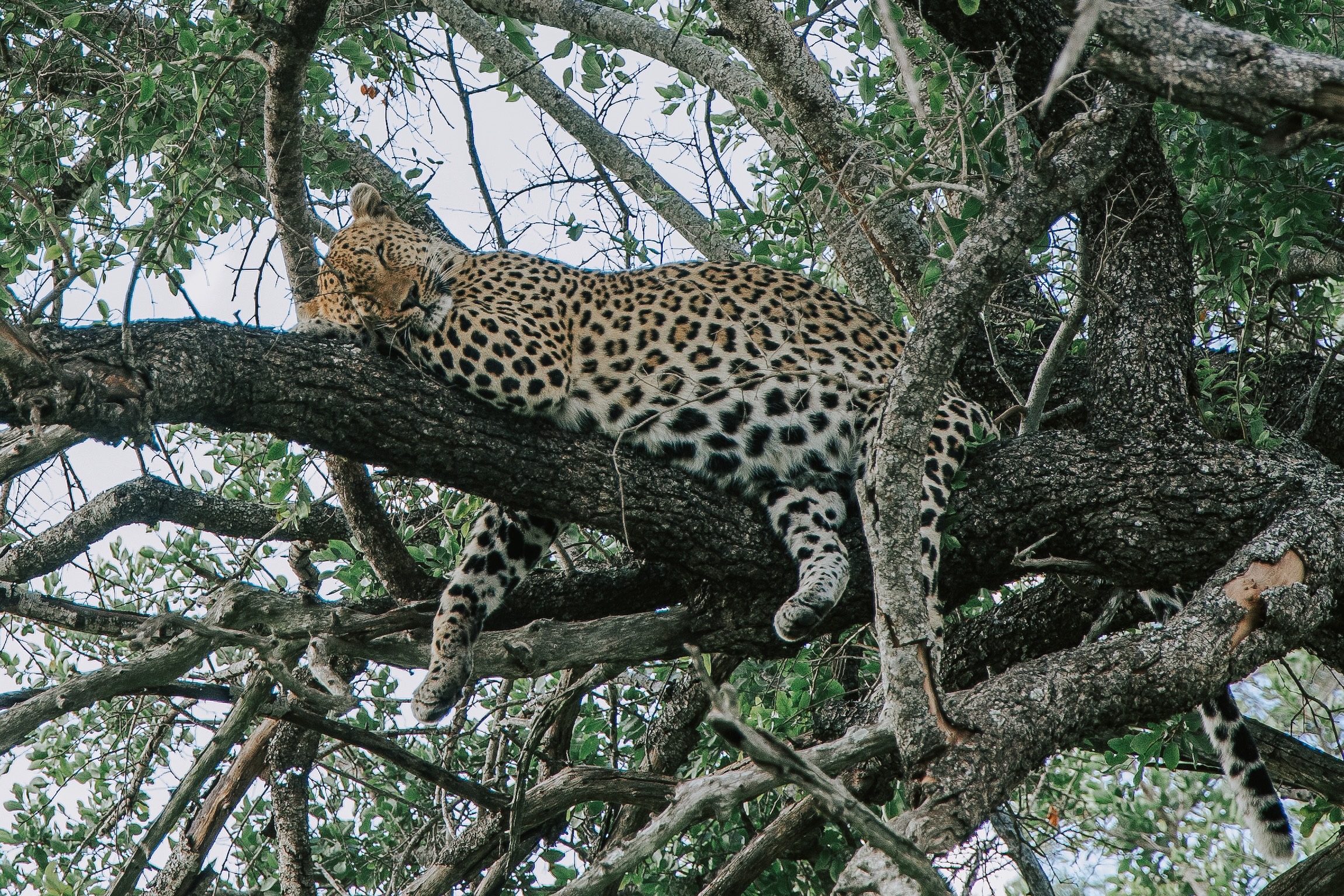
More nights on safari don't mean more game drives. They mean a different quality of presence.
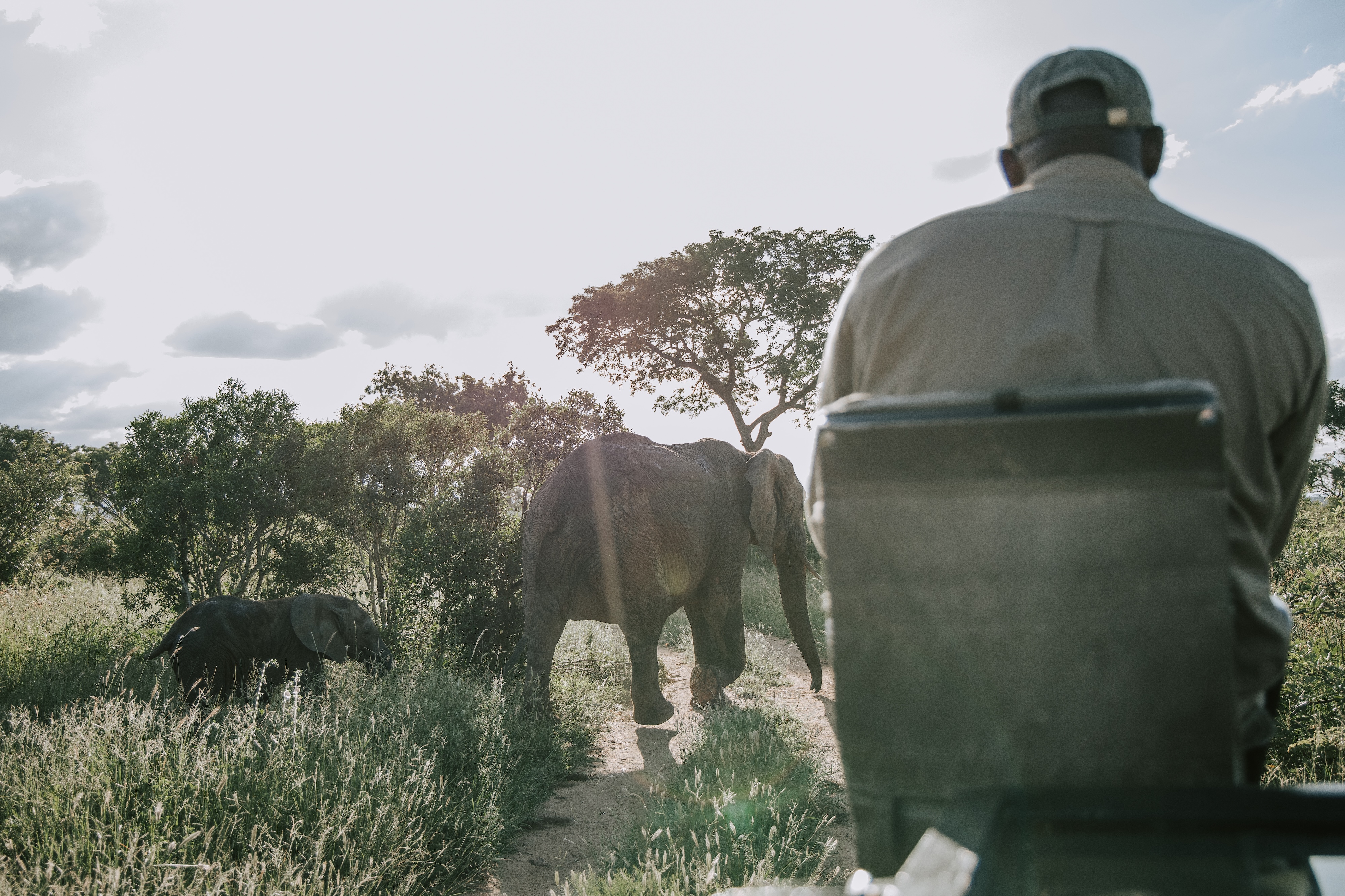
By night seven or eight, you stop scanning for the checklist animal. You start watching a herd of elephants for forty minutes because there's an infant doing something hilarious and your guide has gone quiet and you realise you're not trying to photograph anything, you're just watching.
That moment is what people describe when they say a safari changed them.
It requires time.
Interestingly, most people don't get tired of safari itself.
What changes is the pace.
The first few days are often focused on sightings. By the second half of a trip, guests tend to become more selective. They choose a longer coffee stop, spend more time in camp, or linger with a sighting rather than rushing off to find the next thing.
That's not safari fatigue. It's often the moment people start relaxing into the experience.
The other thing that changes: the relationship with your guide.
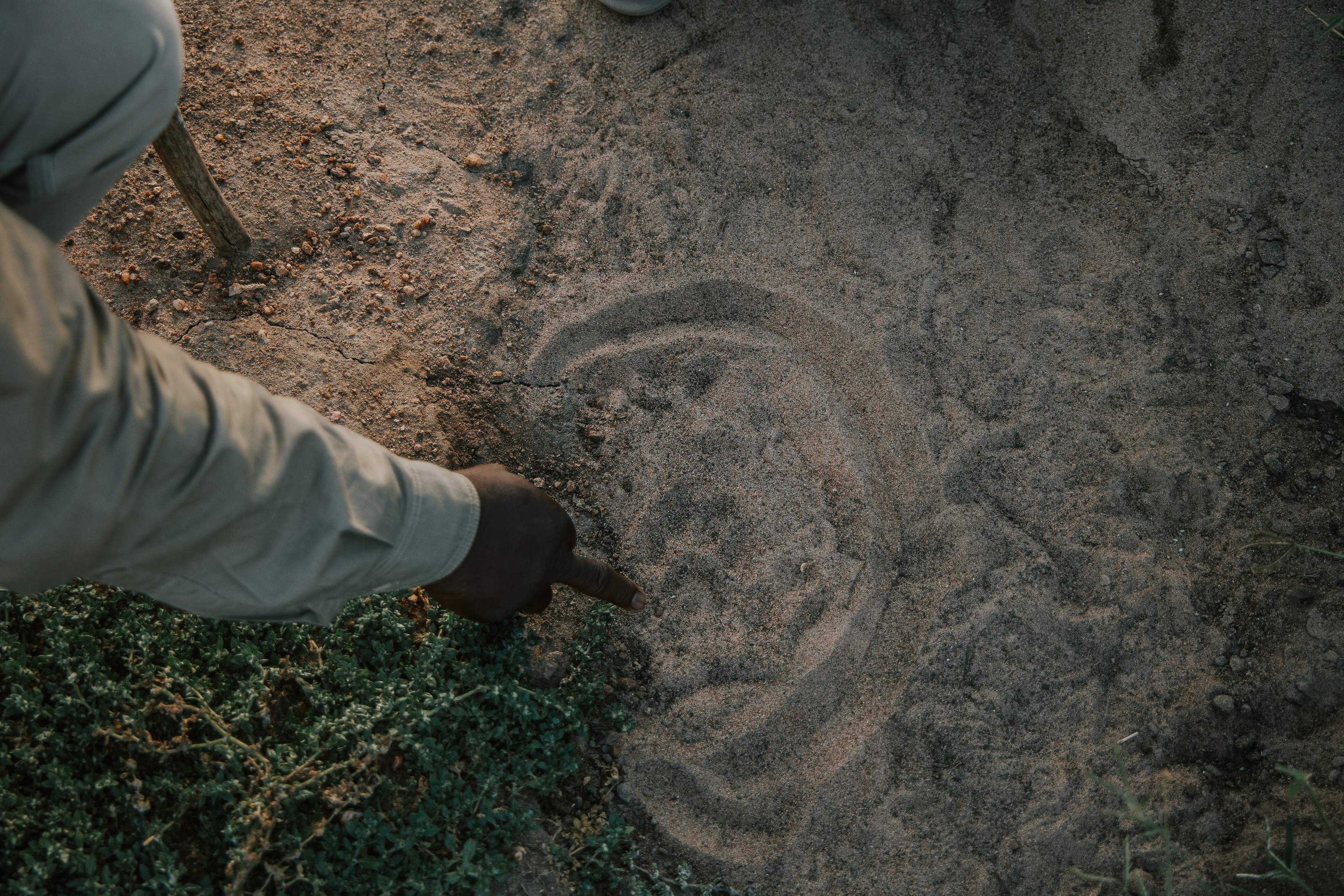
A great field guide is the single biggest determinant of how extraordinary your safari is. A great relationship with that guide takes a few days to build. On a five-night trip, you're just finding your footing when it's over.
"I've never had a client come home and tell me they wished they'd spent less time on safari. The opposite happens all the time." - Danni, Founder of Undiscovered Africa
Then make them count.
My advice: one location, one camp, no transfers.
Every transfer costs you half a day in transit. Flights, road transfers, check-ins, packing and unpacking all take time away from being on safari. A five-night itinerary split across multiple locations often feels shorter than five nights spent in one exceptional reserve.
Safari rewards staying put.
If you have five nights, spend all five in one exceptional reserve and go deep rather than wide.
Avoid multi-destination itineraries on a short trip, the combination sounds appealing on paper and costs you days of experience on the ground.
This is one of the most common questions first-time travellers ask. I've shared my thoughts here:
One Country or Three? How to Build Your First Itinerary →
4–5 nights
Ideal if time is limited. Stay in one reserve and go deep.
7 nights
The sweet spot for most first-time safari travellers.
10+ nights
Perfect if you'd like to combine two destinations or ecosystems without feeling rushed.
It's also worth remembering that seven nights isn't always seven full safari days.
Arrival days, departure days, and transfers all reduce the amount of time you're actually in the bush.
That's why I usually think about the number of full safari days available rather than simply counting nights.
Seven nights, one or two locations.
If budget allows, ten nights with a natural arc, a wildlife-dense reserve followed by something more remote, or a second ecosystem that contrasts the first. That structure gives you depth and discovery in the same trip.
For many first-time travellers, that could mean combining Greater Kruger with the Okavango Delta, or pairing a classic safari with a slower wilderness experience elsewhere in Southern Africa.
If you're still deciding between regions, South Africa or East Africa for Your First Safari can help narrow down the options.
The itineraries I build for first-timers almost always start with this conversation.
Here's what's possible across Undiscovered Africa's destinations:
Yes. Five nights in an excellent reserve can be a wonderful introduction to safari. If possible, stay in one location rather than splitting your time between multiple camps.
For most first-time safari travellers, seven nights offers the best balance between wildlife viewing, relaxation, and immersion.
Not necessarily. Wildlife is unpredictable. A longer safari simply gives you more opportunities to experience different sightings, changing conditions, and animal behaviour.
If you only have five nights, I almost always recommend staying in one camp. With seven nights or more, combining two complementary locations can work beautifully.
Not for most travellers. In fact, many people find the experience becomes more rewarding after the first few days, once they've settled into the rhythm of safari and stopped focusing purely on the checklist animals.
Rarely. What matters more is variety and pacing. Ten nights split thoughtfully between two destinations often feels more rewarding than a rushed itinerary.
The right safari length depends on far more than the number of nights available. It's about finding the balance between time, pace, and the kind of experience you want to have.
At Undiscovered Africa, we design thoughtfully planned journeys that allow travellers to settle into the rhythm of safari, experience each destination properly, and make the most of every day.
Contact us to begin planning a safari that feels unhurried, immersive, and entirely your own.