
Planning your first safari and deciding between South Africa and East Africa? This guide explores the differences in wildlife, landscapes, pace, budget, and safari style to help you choose the region best suited to your first safari experience.
This is the question I get asked more than any other.
And the answer, genuinely, is that South Africa and East Africa are different safari experiences suited to different people. My job isn’t to rank them. It’s to help you work out which one is yours.
For many first-time travellers planning an African safari, choosing between South Africa and East Africa is the single biggest decision they make.
So let’s build a framework.
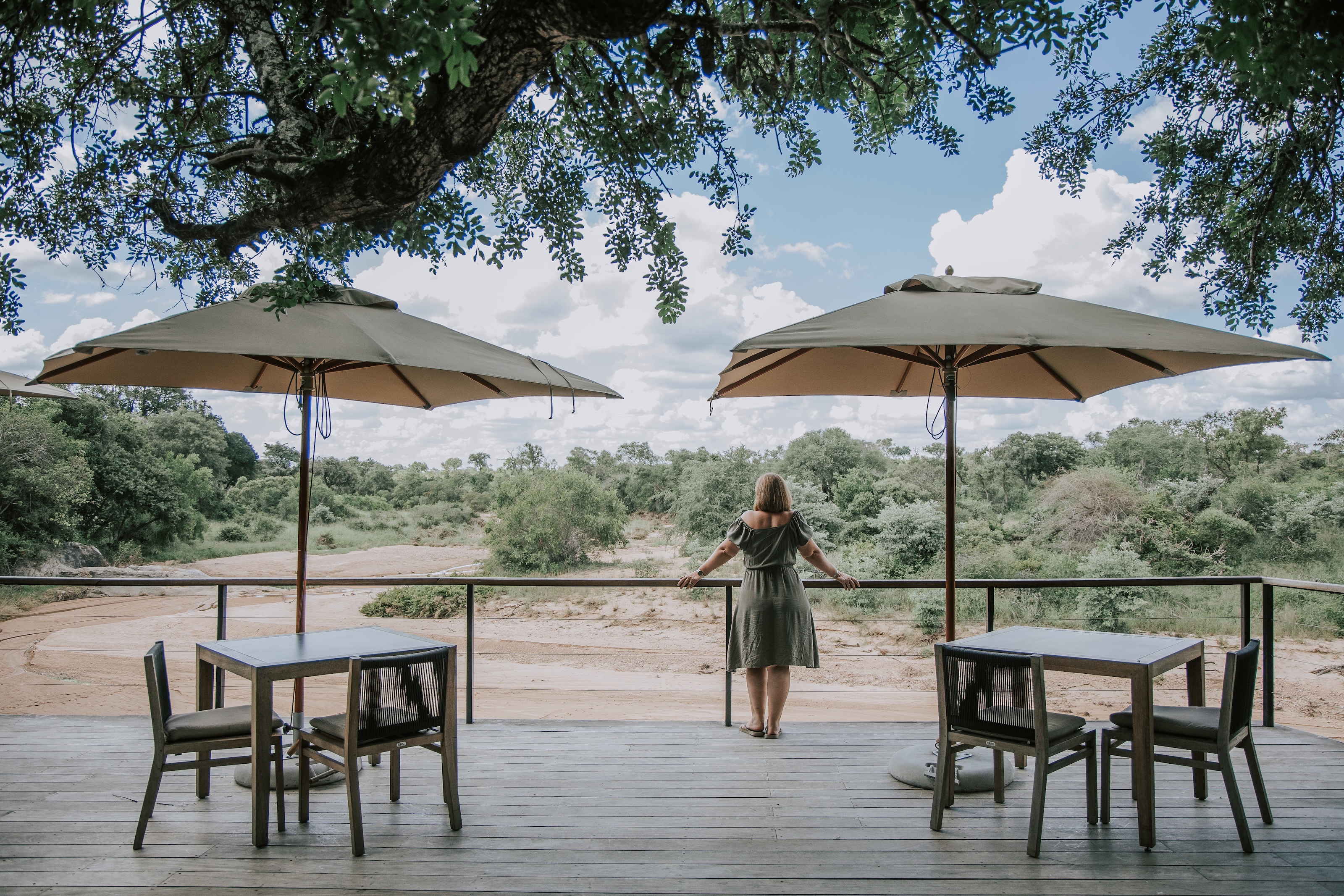
South Africa is, for most first-timers, the more accessible safari.
The private reserves of the Greater Kruger, including Thornybush, Sabi Sands, and Timbavati, offer exceptional Big Five density in relatively compact, well-managed wilderness. The infrastructure is first-world, international flights to Johannesburg are frequent and often good value, and the country’s diversity means a longer trip has a very natural rhythm.
For travellers wondering where to go on safari for the first time, South Africa is often the easiest and most logistically comfortable introduction to safari.
A safari in Thornybush or Sabi Sands can deliver the full Big Five experience in four to five nights. For a first-time traveller wanting maximum wildlife return in a manageable format, South Africa is often the cleaner answer.
There’s also a flexibility that appeals to many people. You can move from safari to Cape Town, the Winelands, or the coast relatively easily, creating a beautifully balanced first Africa trip.
For many travellers, this combination of luxury safari, city, wine country, and coastline is difficult to beat.
If you’re deciding between national parks and private reserves, our guide to Kruger vs private reserves breaks down the differences in wildlife experience, exclusivity, and pace.
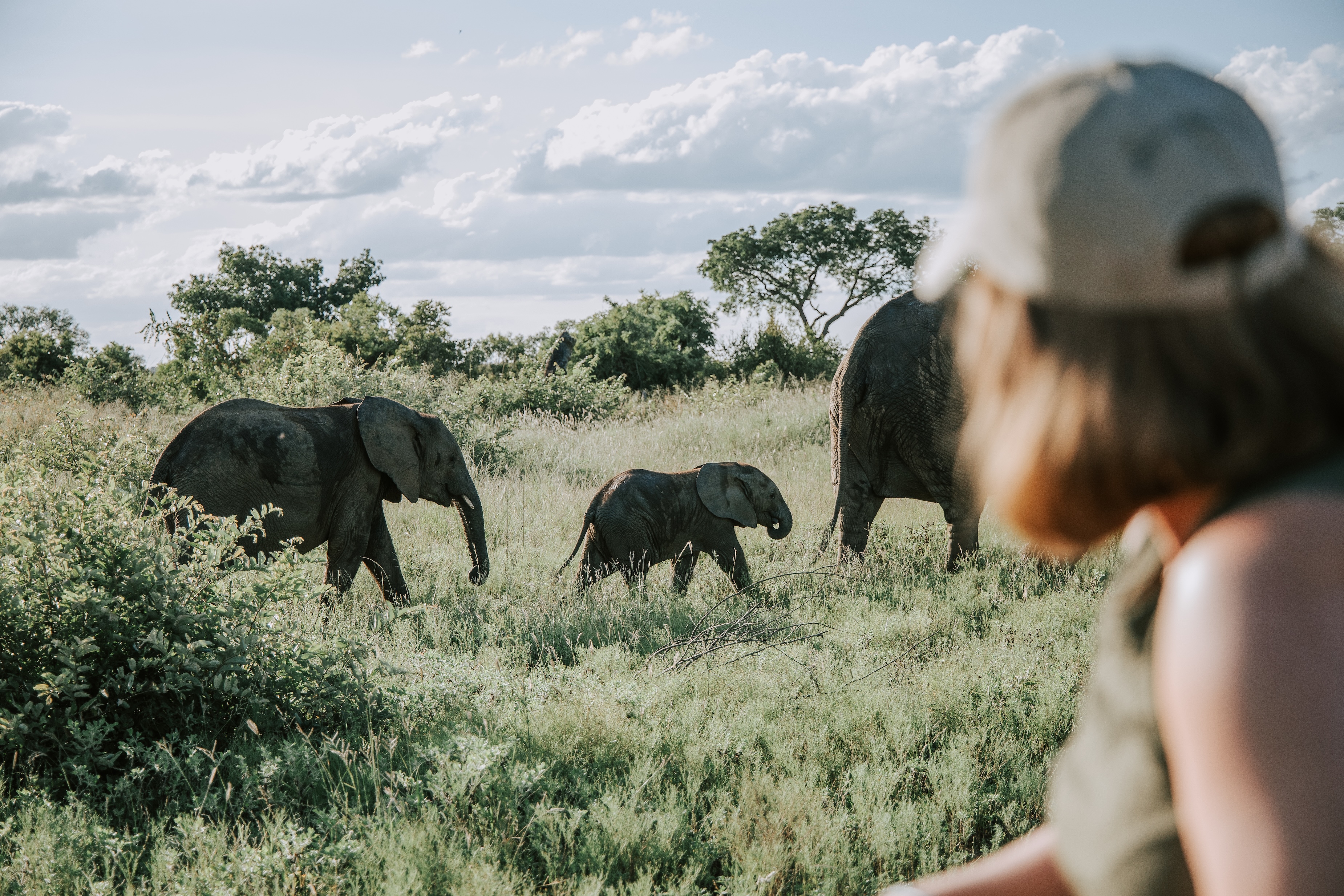
East Africa asks more of you.
More travel time. More logistics. Often more budget.
What it gives back is scale.
The East Africa safari experience feels larger, wilder, and more cinematic in a way that is difficult to replicate elsewhere.
The Masai Mara and Serengeti are among the greatest wildlife ecosystems on earth. The landscapes stretch endlessly, the horizons feel enormous, and the wildlife density during the Great Migration is extraordinary.
And while the Migration is not one single event but rather a year-round cycle, it remains one of the most remarkable natural spectacles on the planet.
For many travellers comparing Kruger vs Masai Mara for a first safari, this becomes the defining difference:
For a first-time traveller willing to commit to the journey, East Africa can feel transformative in a way South Africa sometimes doesn’t.
“The right first safari is rarely about choosing the most famous destination. It’s about choosing the experience that feels most aligned with you.”- Danni, Founder of Undiscovered Africa
If the Great Migration is one of the main reasons you’re considering East Africa, our guide to the Great Migration safari experience explains how the movement works throughout the year and when to travel.

This is the part many safari articles avoid.
Generally speaking, South Africa safari pricing offers stronger value for first-time travellers, while East Africa often requires a larger budget due to longer internal travel distances and more complex logistics.
That doesn’t make one “better” than the other.
It simply means your budget may shape the style of safari you can comfortably achieve in each region.
For example:
Being honest about budget is not limiting. It’s what allows a safari to feel relaxed and enjoyable rather than stretched too thin.
1. How much travel am I willing to absorb? South Africa is easier. East Africa requires more.
2. What wildlife moment am I most drawn to? Big Five density (South Africa) or the Migration and open plains (East Africa)?
3. Do I want to combine with a city or beach? Cape Town anchors South Africa beautifully. Zanzibar or the Kenyan coast anchors East Africa.
4. What is my honest budget? South Africa typically offers more for a given spend.
5. Is this my first and only Africa trip, or the first of several? If it's one trip, East Africa's scale is hard to replicate. If you're coming back, South Africa is often the right first chapter.
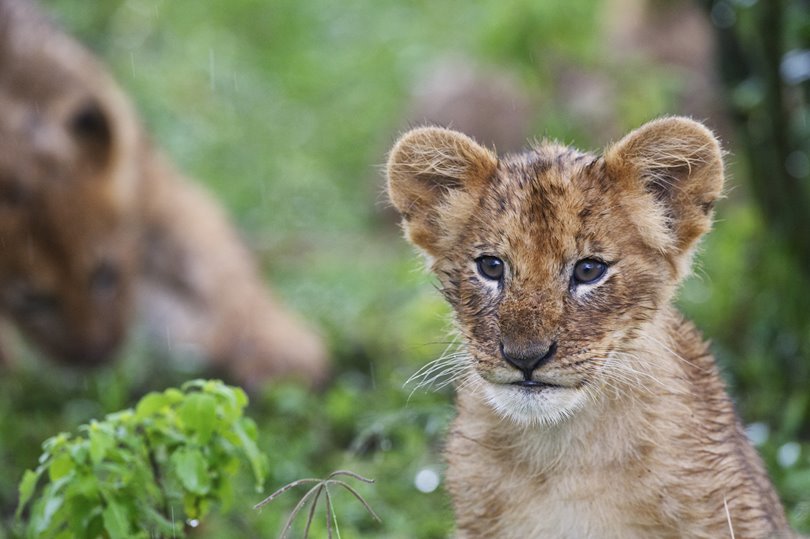
A number of first-time travellers ask whether they can combine South Africa and East Africa in one trip.
The answer is: sometimes.
But only with careful planning.
I’d generally only recommend a cross-regional combination if you have at least two weeks available and a relatively high tolerance for travel days.
Otherwise, the experience can quickly become dominated by transit rather than safari itself.
Our guide to one country or three explores when multi-country safari itineraries work beautifully, and when they become too ambitious.
Neither is objectively better. South Africa is often easier, more accessible, and better value, while East Africa offers larger landscapes and a stronger sense of scale.
They offer very different safari experiences. Kruger and the surrounding private reserves are known for exceptional Big Five sightings, while the Masai Mara is famous for open plains, predator density, and the Great Migration.
Generally yes. East Africa safaris often involve longer travel distances, smaller safari circuits, and more expensive internal logistics.
Both regions offer extraordinary wildlife. South Africa is often stronger for consistent Big Five sightings, while East Africa offers dramatic landscapes and migration experiences.
Yes, but ideally with at least fourteen nights available. Otherwise, the journey can become too dominated by flights and transit days.
Choosing between South Africa and East Africa is rarely about which destination is “better.” It’s about finding the safari experience that feels most aligned with how you want to travel.
At Undiscovered Africa, we create thoughtfully designed journeys that balance pace, wildlife, comfort, and budget with care.
Contact us to begin planning a safari that feels personal, considered, and genuinely worth the investment.