
Planning your first African safari? Danni shares the five key decisions that shape every first safari, from choosing between East and Southern Africa to understanding budgets, trip length, and the kind of experience that fits how you want to travel.
It usually happens around midnight. You've had a glass of wine, you've decided you're finally doing it, an African safari, and then you open a browser and realise you don't know where to begin.
East Africa or Southern Africa? Kenya or Tanzania? A private reserve or a national park? Tented camp or lodge? One country or three? And how much is this actually going to cost?
I've been planning safaris for seventeen years, and I still understand why people close the tab.
But here's what I want you to know: Africa isn't as complicated as it looks from the outside. The decisions are actually quite logical, and they follow a specific sequence. Once you understand that sequence, the whole thing gets considerably easier.
Here are the five decisions that underpin every first safari, and the order in which to make them.
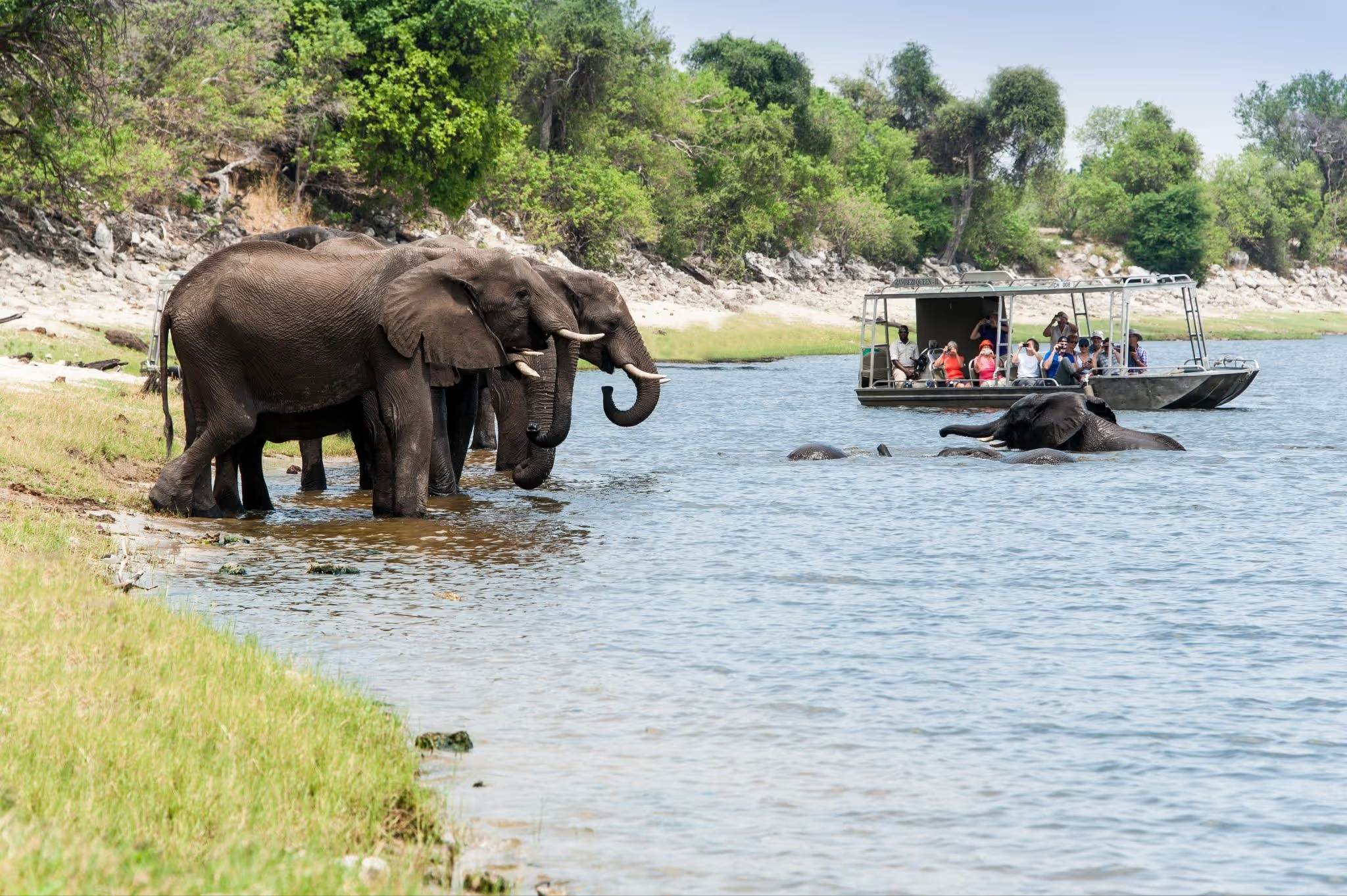
This is the foundational call, and it's not as dramatic as it sounds. Southern Africa, South Africa, Botswana, Namibia, Zimbabwe, offers extraordinary Big Five density, excellent infrastructure, and more accessible price points. East Africa, Kenya, Tanzania, and Rwanda, offers the Great Migration, vast open landscapes, and a different scale of wildness.
Neither is wrong. They suit different people and different trips. The question isn't which is better, it's which is right for you, right now.
I've written a full comparison here; it's the most useful place to go next if you haven't made this call yet:
South Africa vs East Africa: a first-timer's framework →
Safari is not a destination, it's a rhythm. And that rhythm takes time to settle into. Most first-timers want to know the minimum viable trip length. My honest answer is seven nights. Five nights will give you great sightings. Seven nights will give you an experience.
There's a longer conversation about this, including what changes when you add time and how to make five nights work if that's genuinely all you have:
How long should your first safari actually be? →
Not all safaris are the same. A classic Big Five game drive safari is what most people picture, and it's extraordinary. But there are also walking safaris, conservation-focused trips, gorilla trekking in Rwanda, mokoro journeys in the Okavango Delta, and self-drive road trips through Namibia.
The best trip I can build for you starts with an honest answer to this question: What do you want to feel when you come home?
Safari pricing is opaque by design, which helps no one. I've written a real cost breakdown, using an actual eight-night itinerary, costed line by line, because vague ranges are useless when you're trying to plan a serious trip:
What does a safari actually cost? An honest breakdown →
A good safari specialist isn't a travel agent. They're someone who has slept in the camps, knows the guides personally, and will pick up the phone at 3 am if something goes wrong. Whether you need one depends on the complexity of your trip and your tolerance for uncertainty.
I've tried to answer this honestly, including the cases where booking direct makes sense:
Why book through a safari specialist? →
I'm Danni. I've been planning safaris for seventeen years, and every itinerary I build starts with a conversation, not a form. I work with a small number of clients at a time, across ten destinations I know personally. If we're the right fit, I'll design your trip from scratch. If we're not, I'll tell you.
The best place to start is the simplest: send me a message and tell me what you're imagining.
Yes, very much so, especially when travelling with experienced guides and reputable camps or lodges. Safari destinations across Southern and East Africa are well set up for international travellers, and your guides handle every aspect of safety while you're in wildlife areas. Most first-time guests are surprised by how comfortable and seamless the experience feels once they arrive.
There isn’t one perfect answer, because different regions peak at different times. Southern Africa is exceptional during the dry winter months from May to October, while East Africa’s Great Migration moves throughout the year between Kenya and Tanzania. The best timing depends on what you want to see, your budget, and how you prefer to travel.
No ethical safari company can guarantee wildlife sightings, but in the right areas, your chances are extremely high. Places like South Africa’s Greater Kruger region and parts of Botswana offer some of the best Big Five viewing in Africa. The magic of safari, though, is often in the unexpected moments you never planned for.
Most classic safaris are surprisingly accessible. Game drives are conducted in comfortable vehicles, and many lodges cater well to different fitness levels. Some experiences, like gorilla trekking or walking safaris, are more physically demanding, but these are always optional and clearly explained during the planning process.
Absolutely. Safari works beautifully for both, but the style of trip matters. Honeymooners often prefer smaller camps, private guides, and slower-paced itineraries, while families may need lodges with family suites, flexible schedules, or child-friendly activities. A well-designed safari is tailored around who is travelling.
For peak seasons and the best camps, ideally six to twelve months in advance, especially for East Africa migration trips or Botswana during the dry season. If you’re travelling during quieter periods, there can still be excellent options available with shorter notice, but the best guides and camps tend to book early.
Not sure where to start? Danni has been planning African safaris for over 17 years and will help you make sense of it all: no pressure, no hard sell, just an honest conversation about what’s possible. Contact us to begin planning your journey.