
Planning a safari often raises questions about malaria. We explore malaria-free safari destinations, low-risk wilderness areas, and simple precautions that allow travellers to experience Africa’s most extraordinary landscapes with confidence.
Planning a luxury African safari is one of the most exciting travel experiences imaginable.
From vast wilderness landscapes to unforgettable wildlife encounters, a safari offers something truly unique.
Yet for many travellers, particularly those planning their first trip to Africa, one question often comes up early in the planning process:
What about malaria?
It is a completely understandable concern. The good news is that Africa offers a wide range of safari destinations, including malaria-free safari destinations as well as iconic wilderness areas where the risk is low and easily managed with simple precautions.
The key is not avoiding safari altogether; it is about choosing the destination that aligns with your comfort level, travel style, and the kind of experience you’re hoping to have.
Our founder, Danielle Aldren, often reassures guests:
“Malaria is one of the first questions guests ask when planning a safari. What many people don’t realise is that Africa offers both malaria-free safari destinations and classic wilderness regions where the risk is very manageable with the right preparation.”
With thoughtful planning and guidance from experienced safari planning specialists, travellers can confidently explore some of the most extraordinary landscapes on Earth.

One of the most important things to understand when planning a safari is that not all destinations carry the same malaria risk.
Some regions fall completely outside malaria zones, while others, including some of Africa’s most famous wildife areas, are classified as low-risk malaria regions, particularly during warmer months.
This is where our team of experienced safari planners can really help. We take the time to design each safari around the seasons, the destinations you’re dreaming of, and the small details that make a journey feel truly personal.
For many guests, malaria becomes simply one factor in the safari planning process, rather than something that defines the entire journey.
For travellers who prefer not to take preventative medication, there are several exceptional malaria-free safari destinations in South Africa. These regions offer beautiful landscapes, outstanding wildlife experiences, and the added peace of mind that many travellers appreciate, particularly when planning a family safari trip to Africa.
At the same time, some safari regions that fall within very low malaria-risk areas remain incredibly popular because of the extraordinary wildlife and conservation experiences they offer.
Here are a few of our favourite safari destinations.
A beautiful malaria-free safari region
Just a few hours north of Johannesburg, the Waterberg is one of South Africa’s most accessible malaria-free safari destinations. Dramatic sandstone cliffs, rolling bushveld, and vast wilderness areas create a landscape that feels both wild and wonderfully peaceful.
The region is particularly well suited to travellers seeking a relaxed safari experience without long travel times.
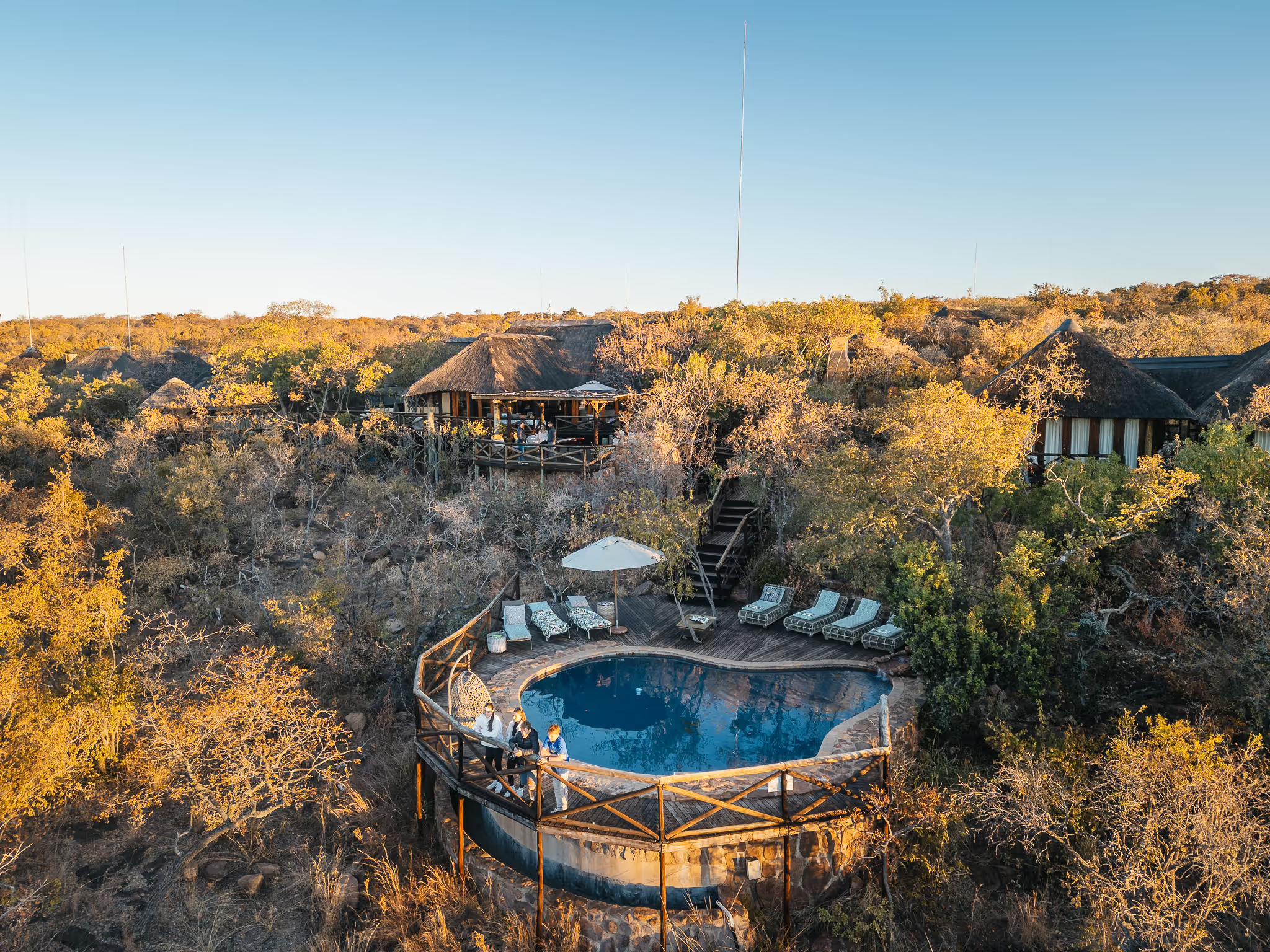
Located within Marakele National Park, Marataba Safari Lodge sits in a spectacular private concession framed by towering mountains and wide open plains.
Guests can enjoy classic Big Five game drives, guided bush walks, and beautiful views across the Waterberg landscape. The lodge’s spacious family tents and flexible safari activities make it a wonderful choice for families travelling together.
Why we love Marataba

Tintswalo Waterberg offers a more secluded and intimate safari experience, surrounded by pristine wilderness and rich biodiversity.
Guests often spend their days exploring the bush on guided drives or walks, learning about the region’s conservation work and diverse ecosystems. The lodge has a calm, understated luxury that encourages guests to slow down and truly connect with nature.
Why we love Tintswalo
A safari unlike anywhere else
For travellers looking for something truly unique, the Kalahari offers a completely different safari experience.
The vast red dunes and open horizons create a sense of space and stilnness that feels worlds away from traditional safari landscape. Wildlife here is especially adapted to desert conditions, and the pace of safari is slower and more exploratory.
Tswalu Kalahari Reserve is South Africa’s largest private wildlife reserve and offers one of the most remarkable safari experiences on the continent.
Rather than focusing purely on the Big Five, Tswalu is known for its rare and fascinating wildlife. Guests might track animals across the dunes, enjoy unforgettable meerkat encounters, or search for elusive species such as aardvark and pangolin with expert guides.
Evenings in the Kalahari reveal one of Africa’s greatest luxuries, vast, uninterrupted star-filled skies.
Why we love Tswalu

A diverse safari region with very low malaria risk
Northern KwaZulu-Natal offers a wonderfully varied safari landscape of sand forests, open savannah, and coastal bushveld. While the region is not strictly malaria-free, it is considered a very low-risk destination, with very few cases reported in many private reserves.
One of the most remarkable places to experience this region is Phinda Private Game Reserve, bordering the UNESO-listed ISimangaliso Wetland Park. Made up of seven distinct habitats, Phinda supports an incredible diversity of wildlife, including the Big Five, with excellent opportunities to see rhino, elephant, and predators moving through the reserve's varied landscapes
Set within a rare sand forest ecosystem, Phinda Forest Lodge offers a tranquil safari experience surrounded by lush vegetation and abundant wildlife. The lodge is known for its strong conservation focus and beautifully immersive setting.
Why we love Phinda

While malaria-free regions offer peace of mind, many travellers still dream of experiencing Africa’s most iconic wilderness destinations.
Places like the Greater Kruger safari region, Botswana’s waterways on an Okavango Delta safari, or the remarkable landscapes of a Botswana safari remain among the most sought-after safari experiences in the world.
Similarly, combining safari with the dramatic beauty of a Victoria Falls safari creates an unforgettable journey through some of Africa’s most celebrated landscapes.
These destinations fall within malaria zones, but they continue to attract travellers from around the world because of the extraordinary wildlife experiences they offer.
With simple precautions and expert guidance, many guests travel comfortably to these regions every year.

One of the things many travellres find reassuring is how well luxury safari lodges are prepared when it comes to mosquito management.
Across Africa’s leading safari regions, lodges implement several preventative measures to ensure guest comfort, including:
Most safari activities take place during early mornings and late afternoons, meaning guests naturally spend less time outdoors during peak mosquito hours.

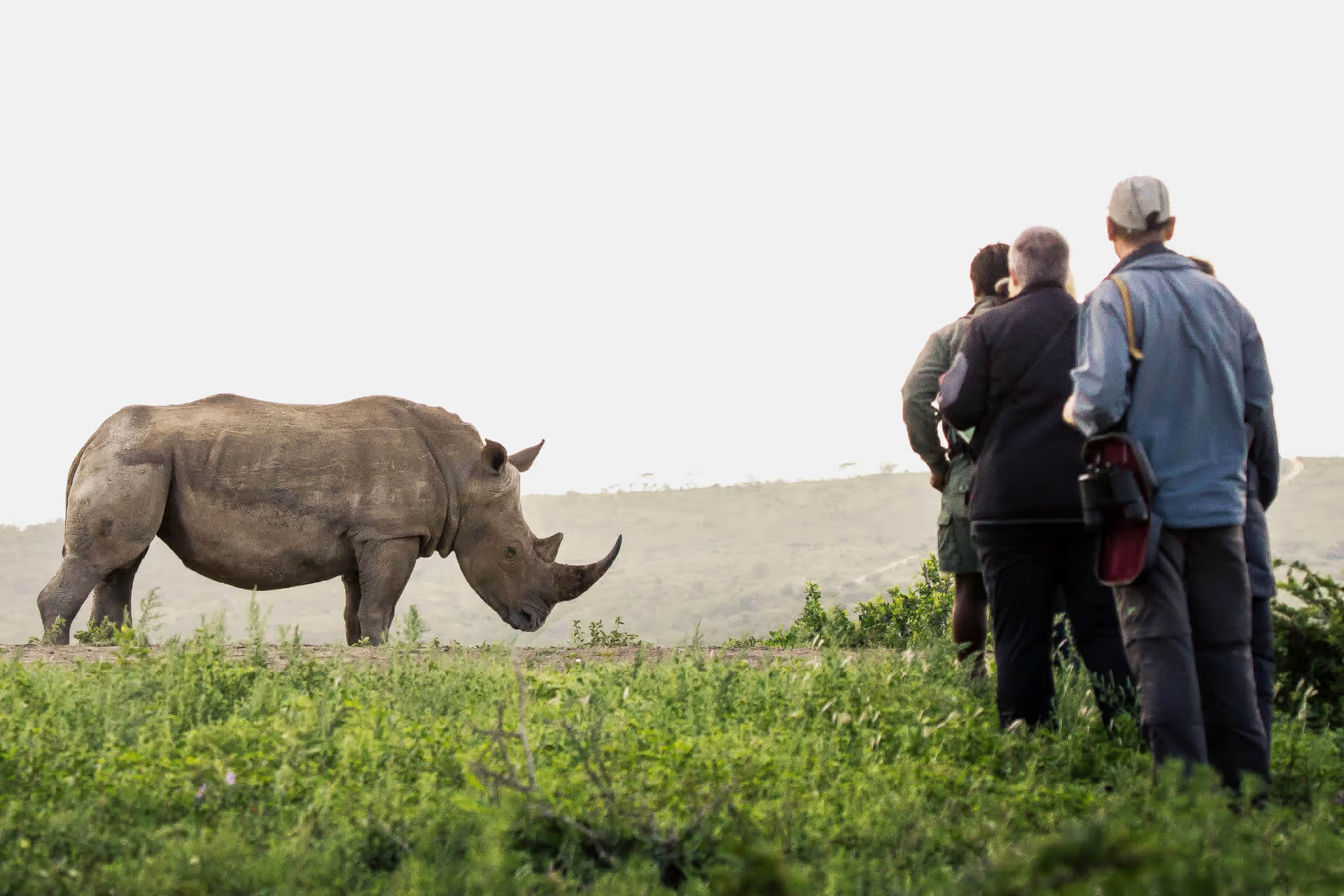
Safari guides spend most of their lives in the bush and often bring a reassuring perspective to the topic of malaria. With simple precautions and awareness, it is something they are well accustomed to managing in the environments where they work.
Most guides will tell you that a few simple habits can make a meaningful difference.
Common advice shared by guides includes:
These small precautions are part of everyday life in many safari areas and help ensure guests can enjoy their time in the bush comfortably
Malaria risk tends to vary depending on season and rainfall patterns.
In many safari regions, risk increases during warmer, wetter months when mosquito populations are higher.
Interestingly, this means some of the best wildlife viewing seasons, particularly the cooler winter months in southern Africa, also coincide with lower mosquito activity.
This is one reason many safari specialists recommend winter travel for guests planning their first safari.

Many travellers choose to combine their safari with time on the coast, creating the perfect safari and beach holiday.
Destinations such as Zanzibar beach escapes and quiet Mozambique beach retreats offer beautiful Indian Ocean coastlines where travellers can unwind after their safari adventure.
While these regions are not malaria-free, they remain incredibly popular for their barefoot luxury atmosphere and stunning natural beauty.
After early mornings tracking wildlife and evenings around the fire in the bush, arriving at the coast feels wonderfully restorative.
Think long stretches of white sand, warm turquoise water, and traditional dhow sailing at sunset.
Explore our safari and beach escapes

Africa offers travellers something rare: the freedom to choose the kind of safari experience that feels right for them.
Some travellers dream of the classic wilderness of Botswana’s Okavango Delta or the iconic wildlife of Greater Kruger. Others prefer the peace of mind that comes with malaria-free destinations.
Both offer extraordinary journeys.
The key is thoughtful planning, choosing landscapes, wildlife experiences, and destinations that align with your comfort level while still capturing the spirit of safari.
No. The Greater Kruger region falls within a malaria area, particularly during the warmer summer months.
Yes. Several regions in South Africa, including the Waterberg and parts of the Eastern Cape and Kalahari, offer malaria-free safari experiences.
This depends on the destination you are visiting and advice from your doctor. If you prefer not to take preventative medication, consider travelling to one of Africa’s malaria-free safari regions.
Yes. Areas such as the Okavango Delta and Chobe National Park are considered malaria regions.
Absolutely. Many travellers enjoy combining safari with coastal destinations such as Zanzibar or Mozambique to create a balanced safari and beach holiday.
At Undiscovered Africa, we know that planning a safari comes with many questions, and malaria is often one of them.
Our team of experienced safari planners is here to guide you through the options and help design a journey that suits your comfort level and travel style.
Explore our hand-picked African destinations or connect with a safari specialist to begin planning your journey.