
Green season reveals a different side of Africa: lush landscapes, dramatic skies, young wildlife, fewer vehicles, and exceptional value. Discover why many experienced travellers choose to go when everyone else stays home.
Dry. Golden. Endless dusty plains and skeletal trees. That's peak season. July to October, when the grass is low, the watering holes are concentrated, and wildlife viewing is at its most accessible. It's extraordinary. It's also the most expensive, most crowded time to travel.
There's another Africa. Green, atmospheric, impossibly lush. Low cloud over the escarpment. Thunderstorms in the afternoon that turn the sky purple. Newborn impala in the long grass. Birding so rich that ornithologists plan their entire year around it. And almost no one goes.
For years, green season was something safari operators quietly hoped clients wouldn't ask about. Today, many experienced travellers actively seek it out. Not despite the rain, but because of everything that comes with it.
Green season, sometimes called low season or wet season, generally runs from November to April across much of Southern Africa. In East Africa, the timing varies depending on the destination and rainfall patterns.
The important thing to understand is that green season does not mean constant rain.
Most days still offer excellent safari conditions. Rain often arrives as a dramatic afternoon storm or overnight shower, leaving fresh air, spectacular skies, and landscapes transformed by new growth.
It's less about bad weather and more about a different version of Africa.
One that feels wilder, softer, and surprisingly alive.

Lodge rates drop by 30–50% in most destinations during green season. Some of the continent's finest camps become accessible at a significantly lower cost per night.
For many travellers, this isn't simply about spending less. It's about staying longer, upgrading accommodation, or adding another destination without stretching the budget.
If you're trying to understand safari pricing, our guide to What Does a Safari Actually Cost? breaks down where your money goes and how seasonality influences rates.
Fewer guests mean fewer vehicles.
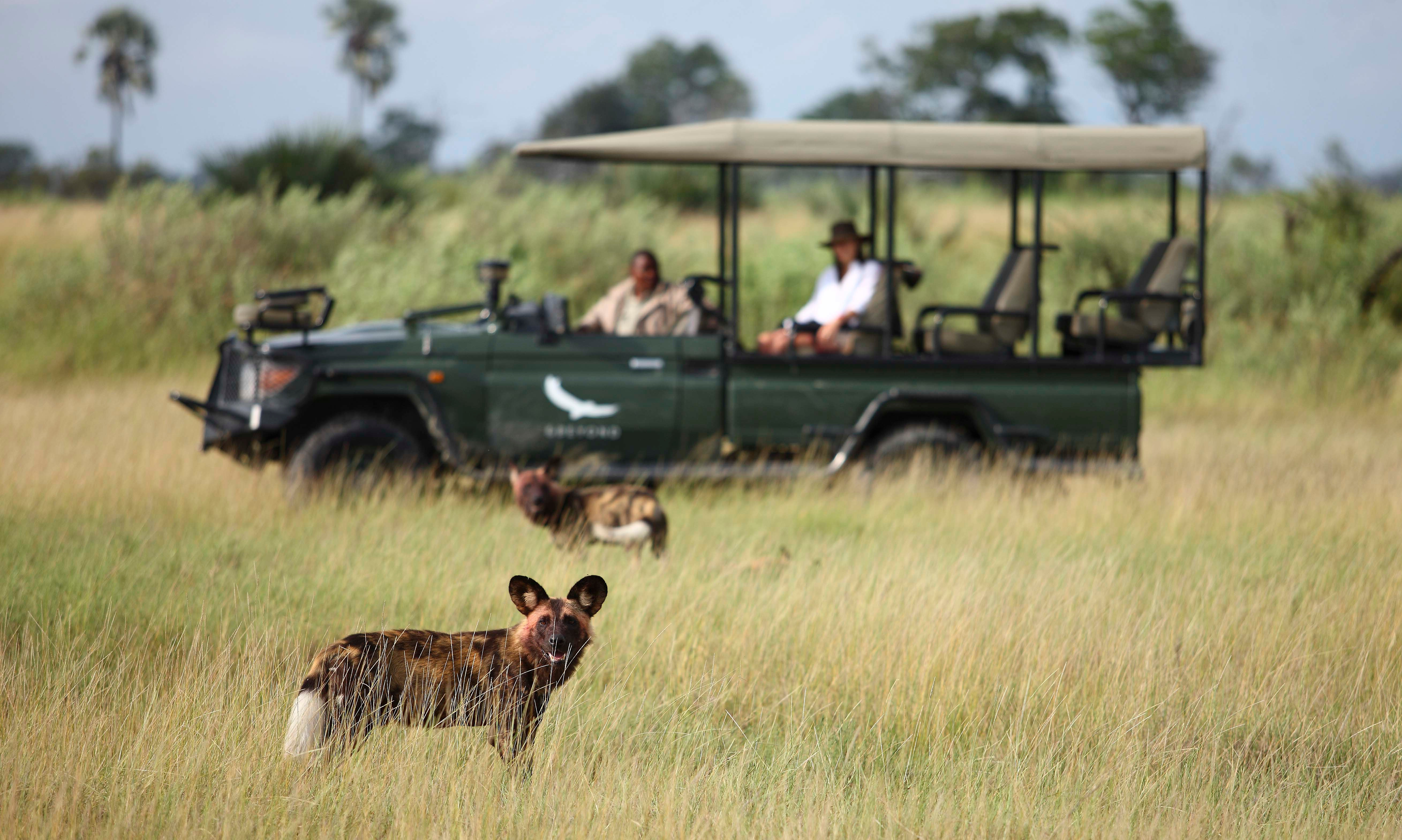
Sightings that might attract a crowd during peak season often have only a handful of vehicles during green season. Sometimes none at all.
The result is a quieter, more intimate safari experience. More time with the wildlife. Less competition at sightings. A greater sense of space.
For many travellers, that's worth far more than perfect weather.
Photographers love green season for a reason.
The quality of light after rain is extraordinary. Clouds create depth and drama. Storms build on the horizon. Sunlight breaks through unexpectedly, transforming the landscape in minutes.
Even if photography isn't your focus, you'll notice it.
The scenery simply feels more alive.
Green season is the season of new life.
Many species time births to coincide with the arrival of fresh grass and abundant food. Impala lambs appear across the landscape. Zebra foals stay close to their mothers. Young antelope take their first uncertain steps.
And where there are young animals, predators are never far away.
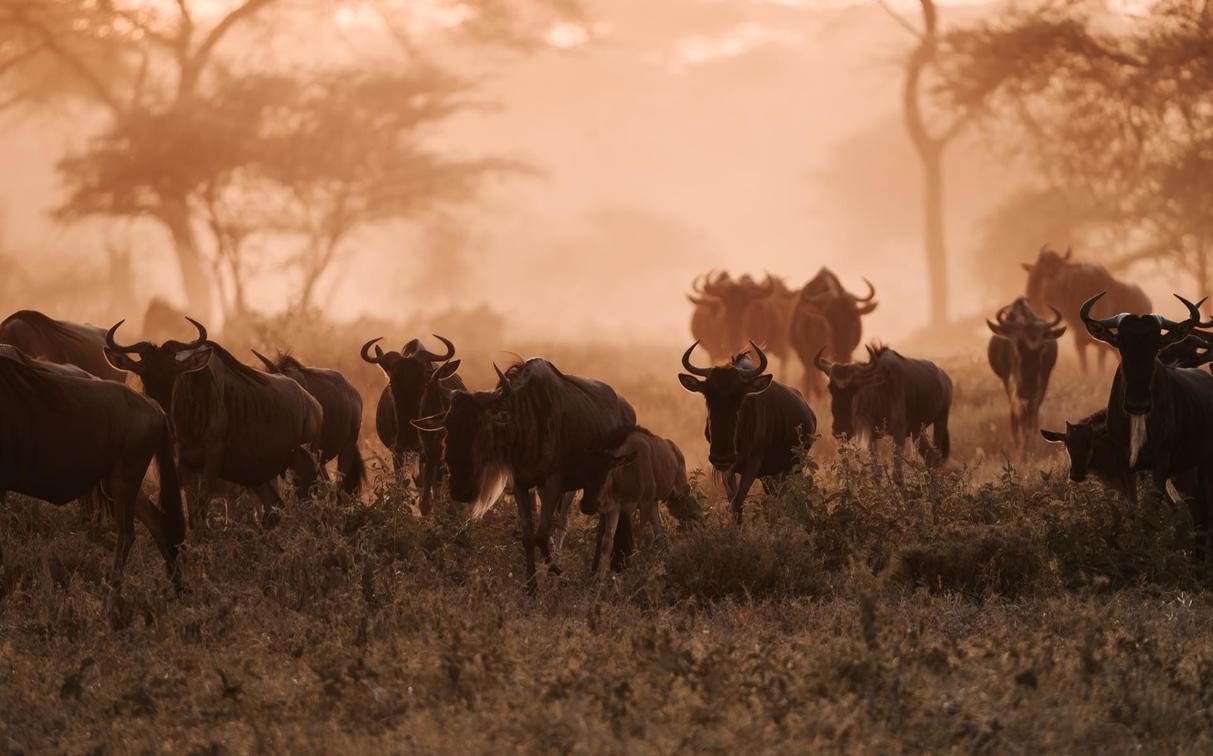
This is particularly true in Tanzania's southern Serengeti during calving season, when thousands of wildebeest calves are born across the plains.
River crossings may dominate the Great Migration conversations, but many safari specialists would argue that calving season is every bit as extraordinary.
Even travellers with only a passing interest in birds are often surprised by green season.
Migratory species arrive from Europe and Asia. Resident birds move into breeding plumage. Wetlands, rivers, and floodplains become incredibly active.
The result is one of the richest birding periods of the year.
For serious birders, green season isn't a compromise.
It's the reason they travel.
"Green season isn't a compromise. It's a different version of Africa, and for many travellers, it's the more rewarding one." - Danni, Founder of Undiscovered Africa

Let's be honest about the trade-offs.
Vegetation is higher in the wet season, which can make spotting predators more challenging. Some dirt roads become difficult after heavy rain. An occasional afternoon shower may shorten a game drive.
These are real considerations.
But they're often far smaller than people expect.
The wildlife doesn't disappear. The experience simply changes.
If your goal is maximum wildlife density and the easiest possible game viewing, peak season may still be the right choice.
If your goal is atmosphere, value, exclusivity, and seeing Africa at its most vibrant, green season becomes very compelling.
Not every destination performs equally well during the wetter months.
Some become genuinely exceptional.
Botswana's Okavango Delta is particularly beautiful during green season. Birdlife flourishes, dramatic skies become part of the experience, and the landscapes feel transformed.
South Africa's private reserves remain excellent throughout the year. Wildlife viewing stays strong, while lower rates often make luxury lodges considerably more accessible.
The southern Serengeti comes alive during calving season from January to February. Vast herds, newborn wildebeest, and exceptional predator activity combine to create one of Africa's most rewarding wildlife experiences.
Green season isn't for everyone.
If you've dreamed your entire life of seeing Africa exactly as it appears in wildlife documentaries, dry season may still be the best fit.
But if you're looking for fewer vehicles, exceptional value, dramatic landscapes, young wildlife, and a safari that feels a little different from everyone else's, green season deserves serious consideration.
Many travellers who experience it once never go back to travelling exclusively in peak season.
"Some of my favourite safari memories happened during green season. Not because the wildlife was better, but because everything felt more alive." - Danni, Founder of Undiscovered Africa
Green season refers to the wetter months of the year, when landscapes become lush, rates are often lower, and many animals give birth.
Absolutely. Green season offers excellent value, fewer vehicles, dramatic scenery, and exceptional wildlife experiences, particularly for photographers and repeat travellers.
Usually not. Rain often arrives as short afternoon or overnight storms, leaving much of the day clear for safari activities.
In most destinations, yes. Lodge rates are often 30–50% lower than during peak season.
Botswana, South Africa, and Tanzania are all excellent options, particularly when matched with the right itinerary and travel dates.
The best time to visit Africa depends entirely on the kind of experience you're looking for.
At Undiscovered Africa, we help travellers understand the trade-offs, opportunities, and seasonal differences that shape a safari, ensuring you travel at the right time for you.
Contact us to explore whether green season might be the perfect fit for your journey.