
The Great Migration is not a single event, but a year-round wildlife cycle across Kenya and Tanzania. This guide explains when to travel, what to expect, and how to plan around calving season, river crossings, and the realities of nature.
Two million wildebeest. The Mara River swollen and brown. The first animal hesitating on the bank, the herd pressing forward behind it. Crocodiles in the shallows. Dust, noise, instinct, movement.
The crossing happens in a chaotic, terrifying rush.
Or sometimes, after hours of waiting, the animals turn back, and nothing happens at all.
That is the first thing to understand about the Great Migration.
The river crossing is real. It is extraordinary. And it is impossible to guarantee.
For many first-time safari travellers, the Great Migration is the reason they start looking at Kenya or Tanzania in the first place. But it is often misunderstood. It is not a single event. It is not one dramatic week. And it is not something anyone can schedule with certainty.
It is a continuous natural movement, shaped by rain, grass, instinct, and timing.
That is what makes it so powerful.
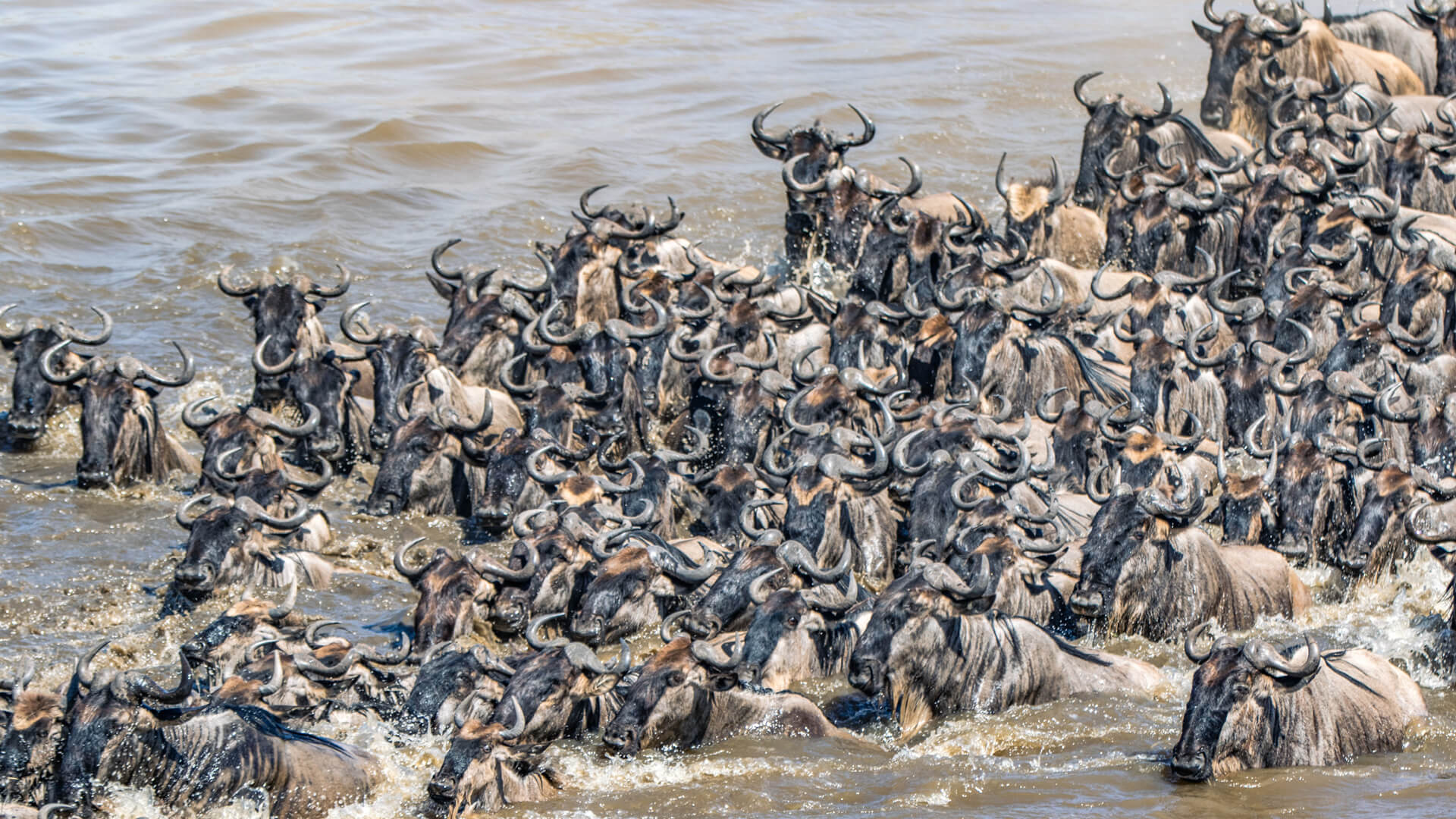
The Great Migration is the annual movement of roughly 1.5 to 2 million wildebeest, zebra, and gazelle through the Serengeti and Masai Mara ecosystem.
The herds are always moving, following fresh grazing and water across Tanzania and Kenya. What changes throughout the year is where the movement is happening and what the experience looks like.
There is no single Migration moment.
There are several extraordinary chapters.
Some are dramatic and crowded. Some are quieter and more emotional. Some offer river crossings. Others offer newborn calves, predator action, and vast herds moving across open plains.
The best Great Migration safari is not always about chasing the most famous image. It is about understanding which chapter suits the kind of experience you want.
“The Migration is not one event you either see or miss. It is a living cycle. The real skill is knowing which part of that cycle is right for the traveller.” - Danni, Founder of Undiscovered Africa
.jpg)
The calving season usually takes place from January to February in the southern Serengeti.
This is one of the most remarkable wildlife experiences in Africa.
During this period, thousands of wildebeest calves are born each day. The plains feel completely alive, with herds stretching across the landscape and newborns finding their feet within minutes of birth.
It is beautiful.
It is intense.
And it is one of the most predator-rich periods of the Migration.
Lions, cheetahs, hyenas, and other predators follow the herds closely, creating dramatic wildlife viewing across the southern plains. For photographers and serious wildlife lovers, this can be one of the most rewarding times to visit Tanzania.
River crossings get more attention, but I often think the calving season is the more powerful chapter.
There are usually fewer crowds than peak crossing season, excellent lodge options, beautiful light, and a sense of new life everywhere.
For travellers considering Tanzania, this is one of the strongest reasons to look beyond the classic July to October window.
The river crossings usually happen between July and October, when the herds move north from the Serengeti into Kenya’s Masai Mara.
This is the classic Great Migration safari moment.
The one people imagine.
The one in the photographs.
The one that drives so many first-time safari decisions.
And yes, it can be every bit as extraordinary as it looks.
But it is also unpredictable.
The herds may gather near the river for hours and then turn away. They may cross at a different point. They may move overnight. They may wait for days. No guide, lodge, or safari specialist can guarantee a river crossing.
What good planning can do is improve your chances.
The key is location. A well-positioned camp in the Masai Mara or northern Serengeti gives you quicker access to the main crossing areas, better guiding, and more time in the right place.
For this kind of safari, where you stay matters enormously.
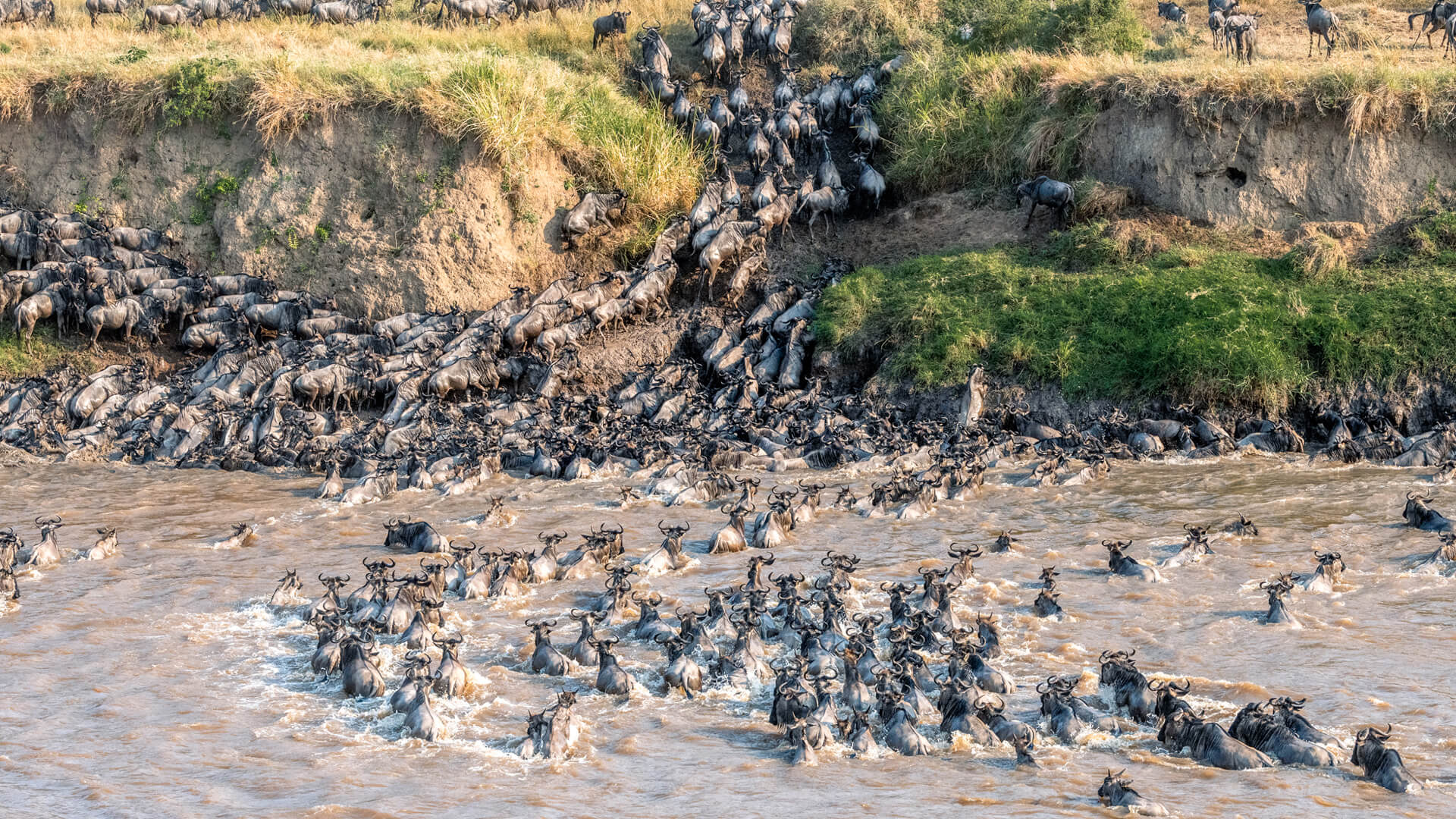
This is the honest question every traveller should ask before booking a Migration safari.
What happens if you do not see the river crossing?
The answer is simple.
You can still have an exceptional safari.
The Masai Mara is extraordinary with or without a crossing. The predator density, resident wildlife, open plains, and general game viewing are world-class in their own right.
A river crossing is the bonus.
It should never be the only reason to go.
This is where expectation-setting matters. If the entire trip is built around one specific moment, there is a risk of disappointment. If the itinerary is built around the broader Migration experience, the wildlife, the guiding, the landscape, and the chance of a crossing, then the journey becomes much richer.
A good Migration safari is not about promising the impossible.
It is about positioning you well and helping you understand what nature can and cannot guarantee.
This depends on timing and travel style.
Tanzania is exceptional for the early part of the Migration cycle, particularly the calving season in the southern Serengeti. It also offers a vast sense of space, varied landscapes, and excellent year-round safari options.
Kenya, particularly the Masai Mara, is best known for the river crossing season from July to October. It offers dramatic open plains, excellent predator sightings, and some of the most iconic safari scenery in East Africa.
Neither is better.
They simply offer different chapters of the same story.
For many first-time travellers, Kenya feels slightly easier to combine with a shorter safari. Tanzania often suits travellers with more time who want to experience the Serengeti in greater depth.
If you are deciding between Kenya and Tanzania, the best question is not “which is better?” It is “which part of the Migration do I want to experience?”
.jpg)
The answer depends on what you want to see.
If you are interested in calving season, look at January and February in the southern Serengeti.
If you are hoping for river crossings, look at July to October in the Masai Mara or northern Serengeti.
If you want fewer crowds and excellent general game viewing, shoulder periods can be very rewarding, especially when paired with strong guiding and the right camp location.
The most important thing is to plan early.
Migration camps in the best locations book up far in advance, especially for peak river crossing season. Waiting too long usually means compromising on location, which is the one thing you do not want to compromise on for this kind of trip.
Our guide to the best time to visit Africa explores how seasons affect safari experiences across the continent.
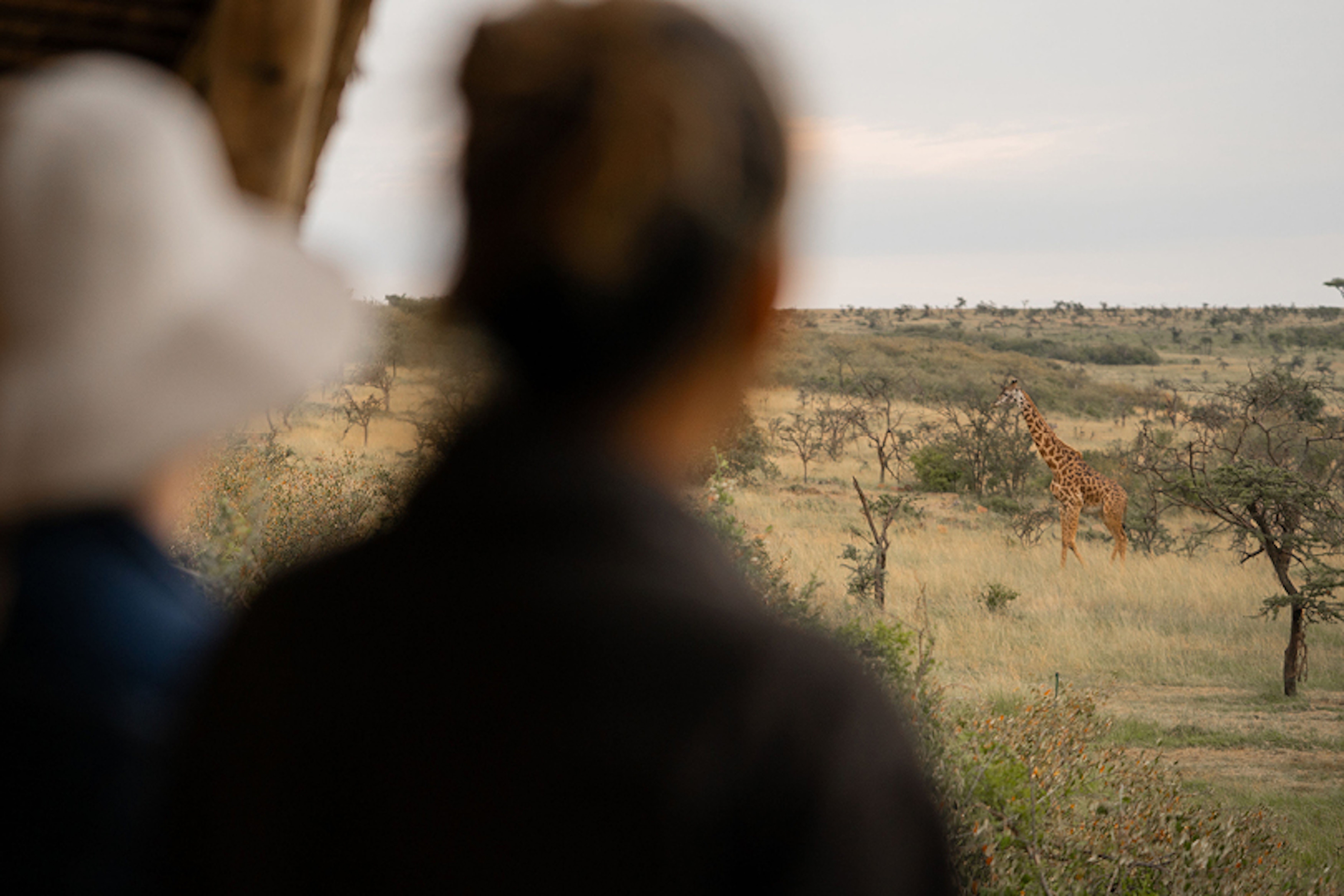
The Great Migration is not something you simply “add” to an itinerary.
It needs careful planning.
Camp location matters. Guiding matters. Timing matters. The number of nights matters.
If you only allow two nights in a key Migration area, you may miss the movement entirely. If you choose a camp too far from the action, you may spend more time driving than watching. If you travel with unrealistic expectations, even an excellent safari can feel disappointing.
This is why I am very careful about how I position clients for the Migration.
I look at the time of year, the likely movement of the herds, camp access, guiding reputation, and how the Migration section fits into the wider journey.
“The Migration rewards patience. You cannot control it, but you can position yourself intelligently and give the experience enough time to unfold.” - Danni, Founder of Undiscovered Africa
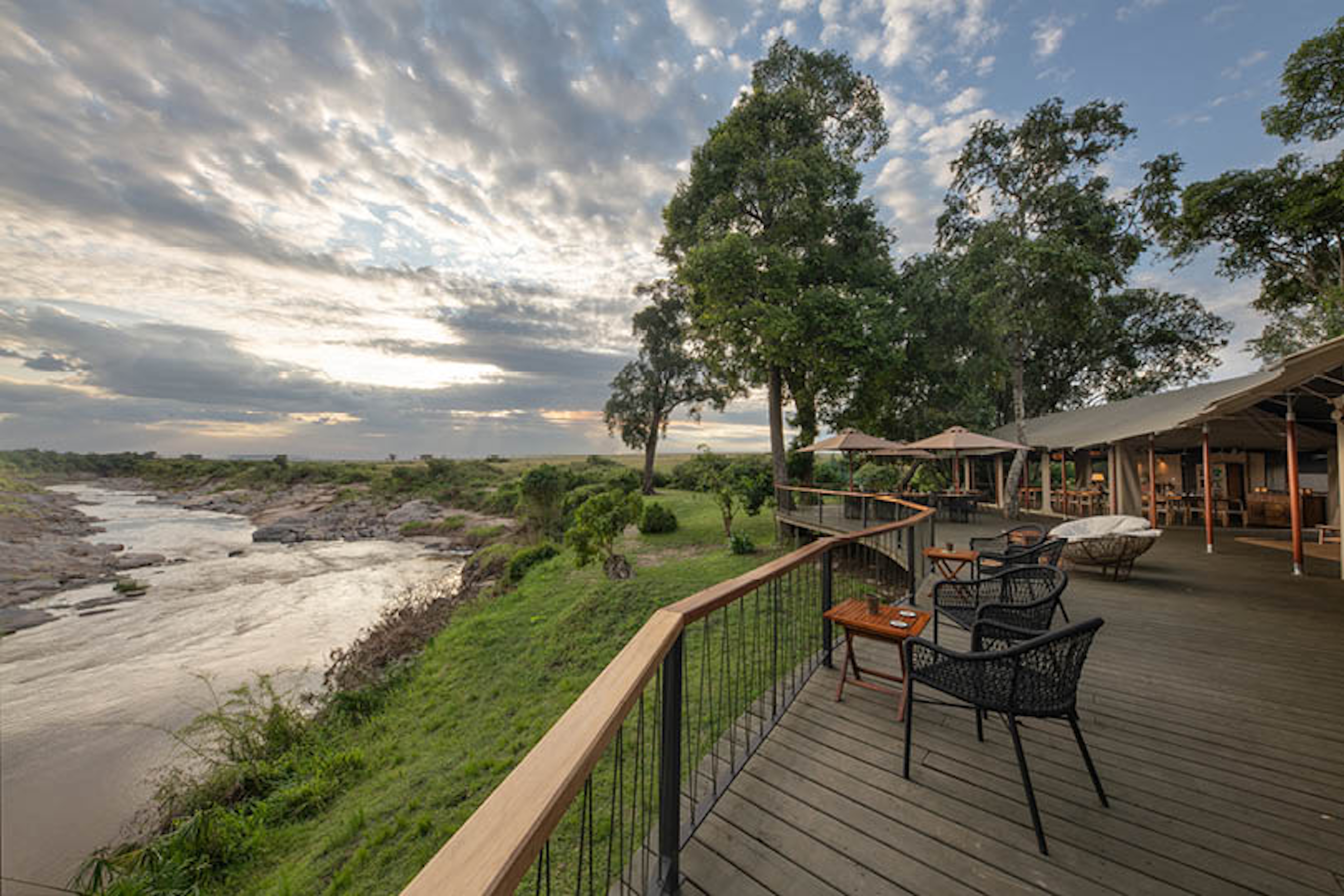
Not every traveller needs to visit during peak Migration season.
In fact, some of the most beautiful East Africa safaris happen outside the busiest months.
Green season safaris can offer dramatic skies, fewer vehicles, excellent photography, and more availability at beautiful camps. Wildlife viewing can still be superb, especially when the itinerary is designed around the right regions for that time of year.
For travellers who prefer space, value, and atmosphere over peak-season intensity, this can be a wonderful alternative.
The Great Migration is the continuous movement of wildebeest, zebra, and gazelle through the Serengeti and Masai Mara ecosystems as the herds follow fresh grass and water.
It depends on what you want to see. Calving season is usually January to February in the southern Serengeti. River crossings usually happen between July and October in the Masai Mara and northern Serengeti.
No. River crossings are never guaranteed. The herds decide when and where to cross, and they may wait, turn back, or move elsewhere.
Both are excellent. Tanzania is strongest for calving season and the Serengeti experience, while Kenya’s Masai Mara is famous for dramatic river crossings and predator-rich plains.
Ideally, spend at least three to four nights in a well-positioned Migration area. This gives you a better chance of seeing herd movement and allows time for nature to unfold.
Yes. The broader Migration experience, including the herds, predators, landscapes, and general wildlife viewing, can be extraordinary even without a river crossing.
The Great Migration is one of Africa’s most powerful wildlife experiences, but it needs careful positioning to get right.
At Undiscovered Africa, we help travellers understand what is real, what is hype, and where to stay for the best possible chance of experiencing the Migration well.
Contact us to begin planning your Great Migration safari.