
Gorilla trekking is never just one experience. Discover the differences between Rwanda and Uganda, from accessibility and terrain to lodge style and pace of travel, and find the journey that best fits how you want to experience Africa.
There is a moment, somewhere deep in the forest, where everything shifts.
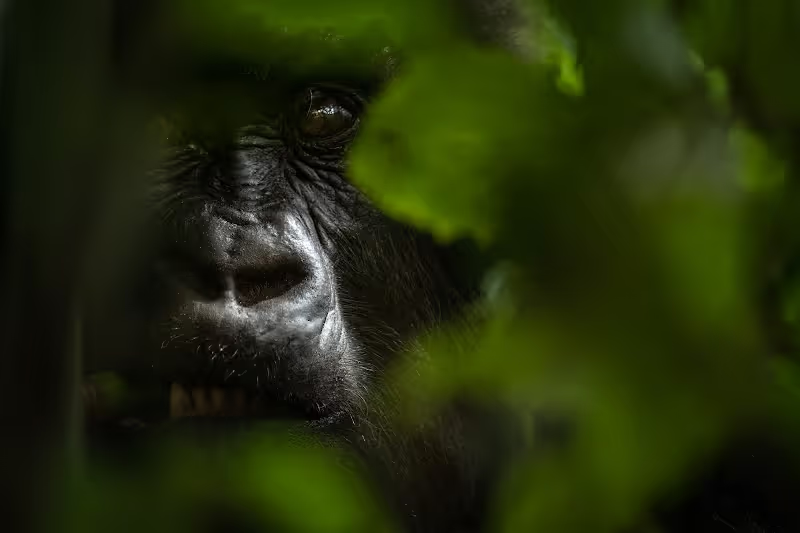
The sound of your footsteps softens. The conversation fades. And then, without ceremony, you see them. A gorilla family, moving gently through the trees, completely at ease in a world that feels untouched.
“For me, gorilla trekking is one of the most grounding experiences you can have in Africa. It is not about the sighting, it is about how it makes you feel. You leave with a different sense of connection, not only to wildlife, but to the place itself. - Danni, Founder of Undiscovered Africa
It is not a spectacle. It is something far more intimate.
Gorilla trekking in Rwanda and Uganda offers one of the most meaningful wildlife encounters in Africa. It is not about ticking off a sighting. It is about stepping into a space where time slows, and connection takes over.
For those considering it, the question is not whether to go. It is how to do it well.
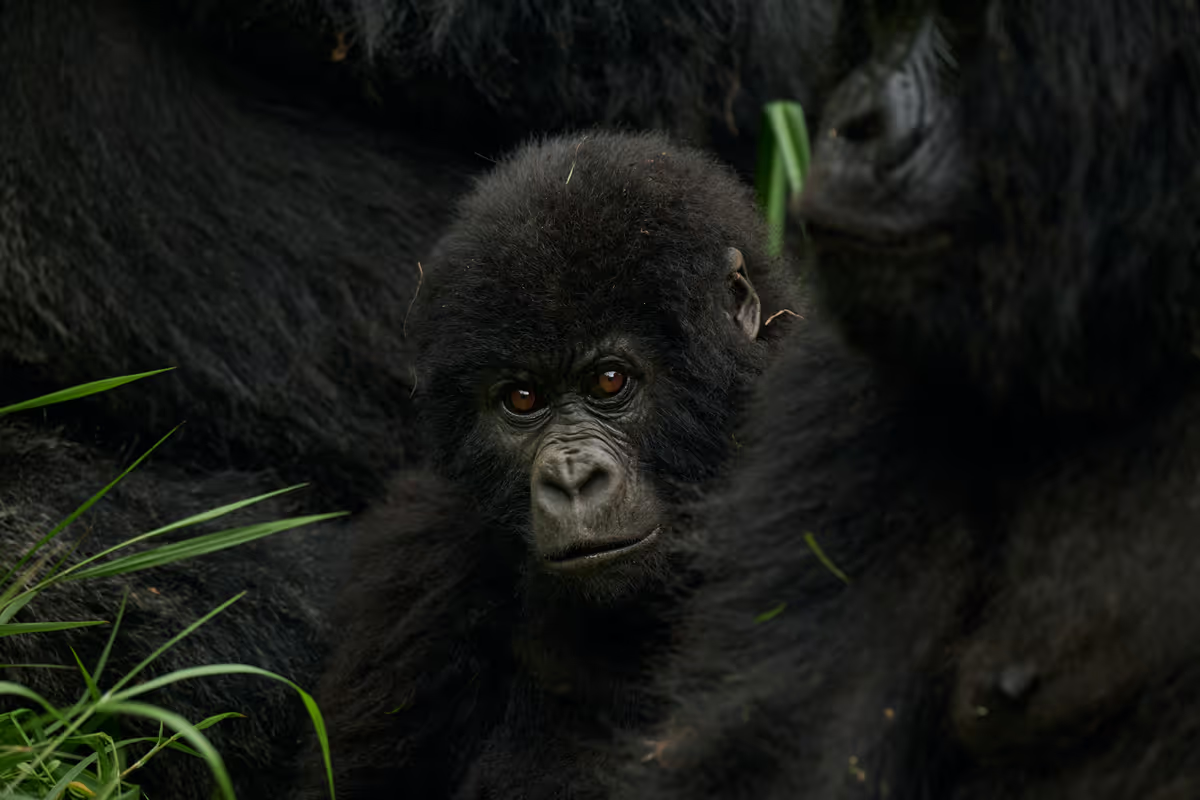
Every trek begins the same way, early morning, with a quiet sense of anticipation.
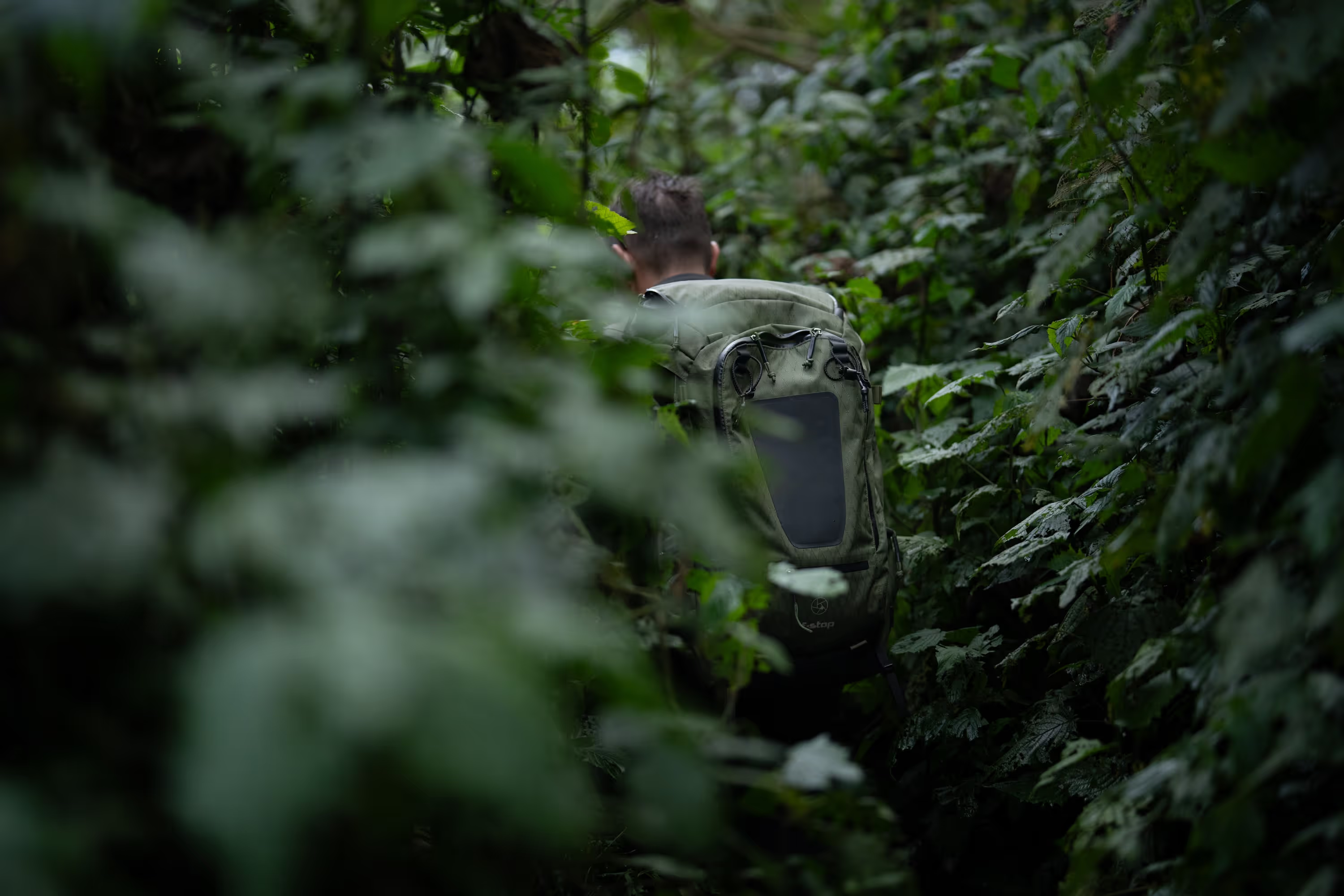
You meet your guides and trackers, people who know the forest instinctively. They brief you, assign you to a gorilla family, and then you begin walking. There is no fixed route. The gorillas move freely, and your path follows theirs.
The terrain can be steep, dense, and at times unpredictable. You move through thick vegetation, across ridges, and into valleys, guided by signs that would go unnoticed to most.
And then, suddenly, you arrive.
An hour is all that is permitted. It is carefully regulated to protect the gorillas, but it never feels rushed. You watch as they feed, groom, rest, and interact. Young ones play. A silverback sits quietly, aware but unbothered.
It is real, unscripted, and deeply human.
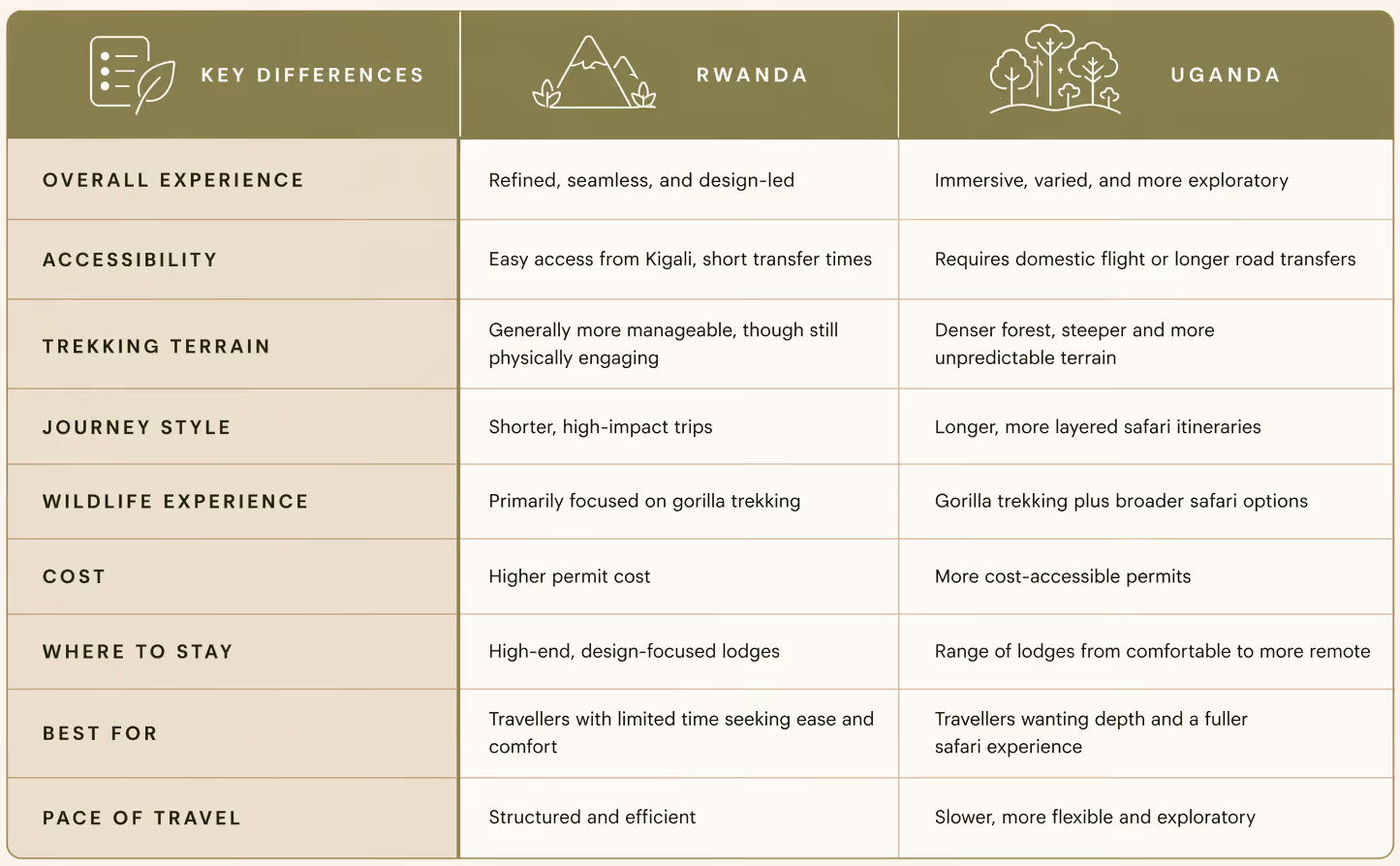
Rwanda has redefined what gorilla trekking can feel like.
With Volcanoes National Park just a few hours from Kigali, the journey is remarkably seamless.
For many travellers, this level of accessibility makes Rwanda one of the most seamless ways to experience gorilla trekking, without the need for extended internal travel.
But it is not only about ease.
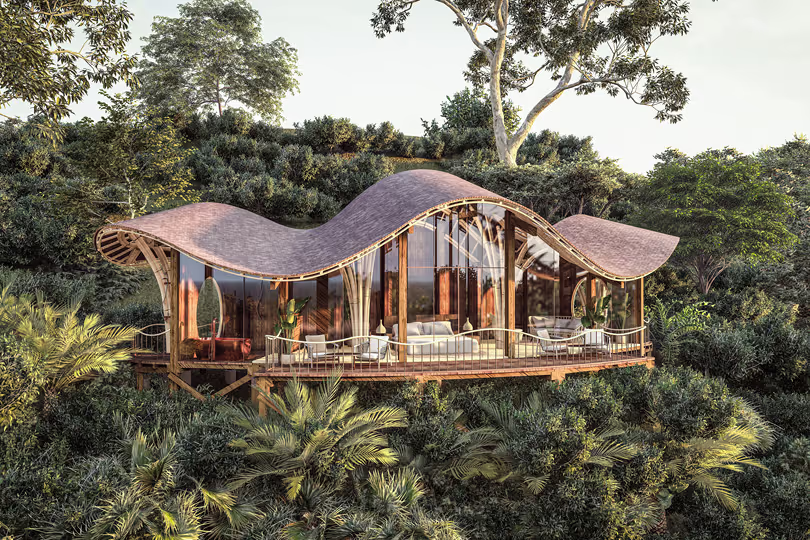
Rwanda offers a level of polish that runs through the entire experience. From the quality of guiding to the design of the lodges, everything feels intentional. Properties such as Erebero Hills and Virunga Lodge create a sense of calm and space, allowing the experience to unfold without distraction.
The treks themselves are often more manageable, although still physically engaging. Groups are well organised, and the overall structure feels considered and smooth.
Rwanda is ideal for those who want a shorter, high impact journey where gorilla trekking is the central focus, delivered with a strong sense of comfort and care.
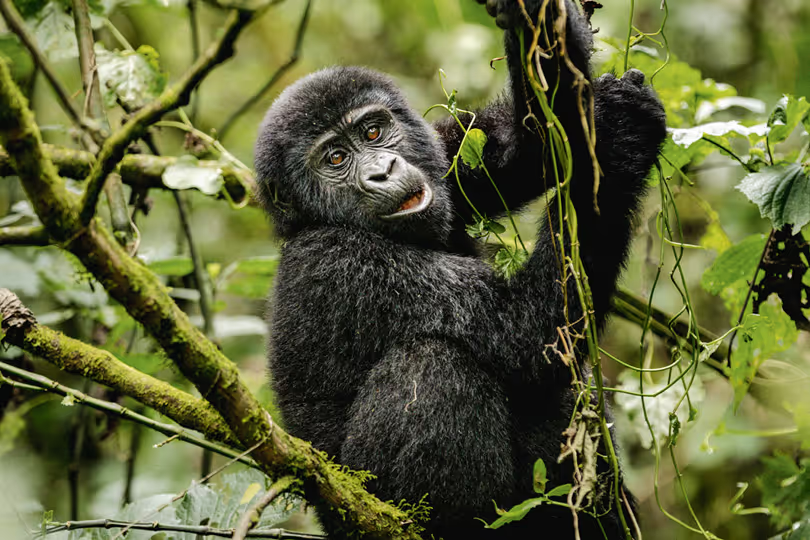
Uganda invites you to slow down in a different way.
The journey into Bwindi Impenetrable Forest or Mgahinga Gorilla National Park takes more time, whether by light aircraft and road transfer or overland through changing landscapes. But this is where the experience begins to unfold.
The forests here feel ancient. Dense, layered, and alive with sound. Trekking can be more challenging, with steeper terrain and longer hours, but for many, this adds to the sense of immersion.
Uganda also opens the door to a broader safari narrative. Gorilla trekking can be woven into an itinerary that includes Murchison Falls, Queen Elizabeth National Park, or remote corners that feel far removed from the usual safari circuit.
There is a richness to Uganda that reveals itself gradually. It is not immediate. It is something you settle into.
For travellers who value depth, variety, and a more exploratory pace, Uganda often feels like the more rewarding choice.
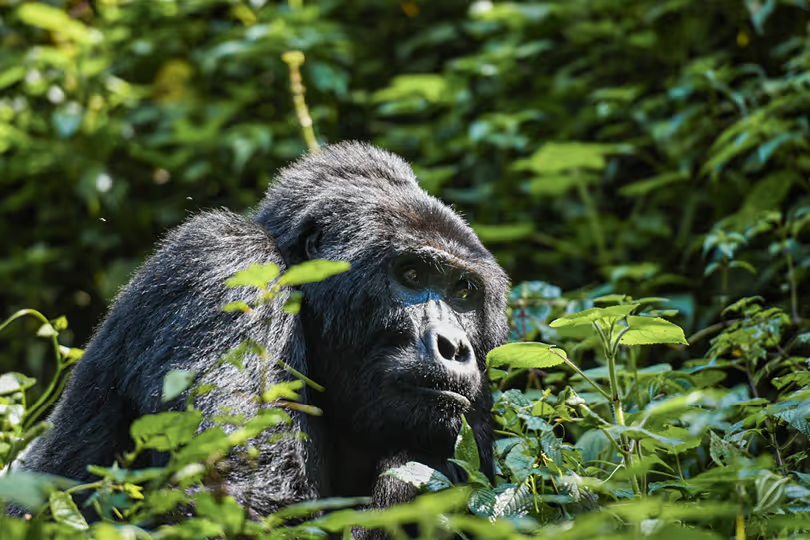
Choosing between Rwanda and Uganda often comes down to how you want your journey to unfold. While the gorilla encounter itself is equally powerful, the experience around it can feel quite different.
Gorilla trekking is available throughout the year, but timing can shape the experience.
The drier seasons, from June to September and December to February, are generally considered the best times to visit. Trails are easier to navigate, and conditions are more predictable.
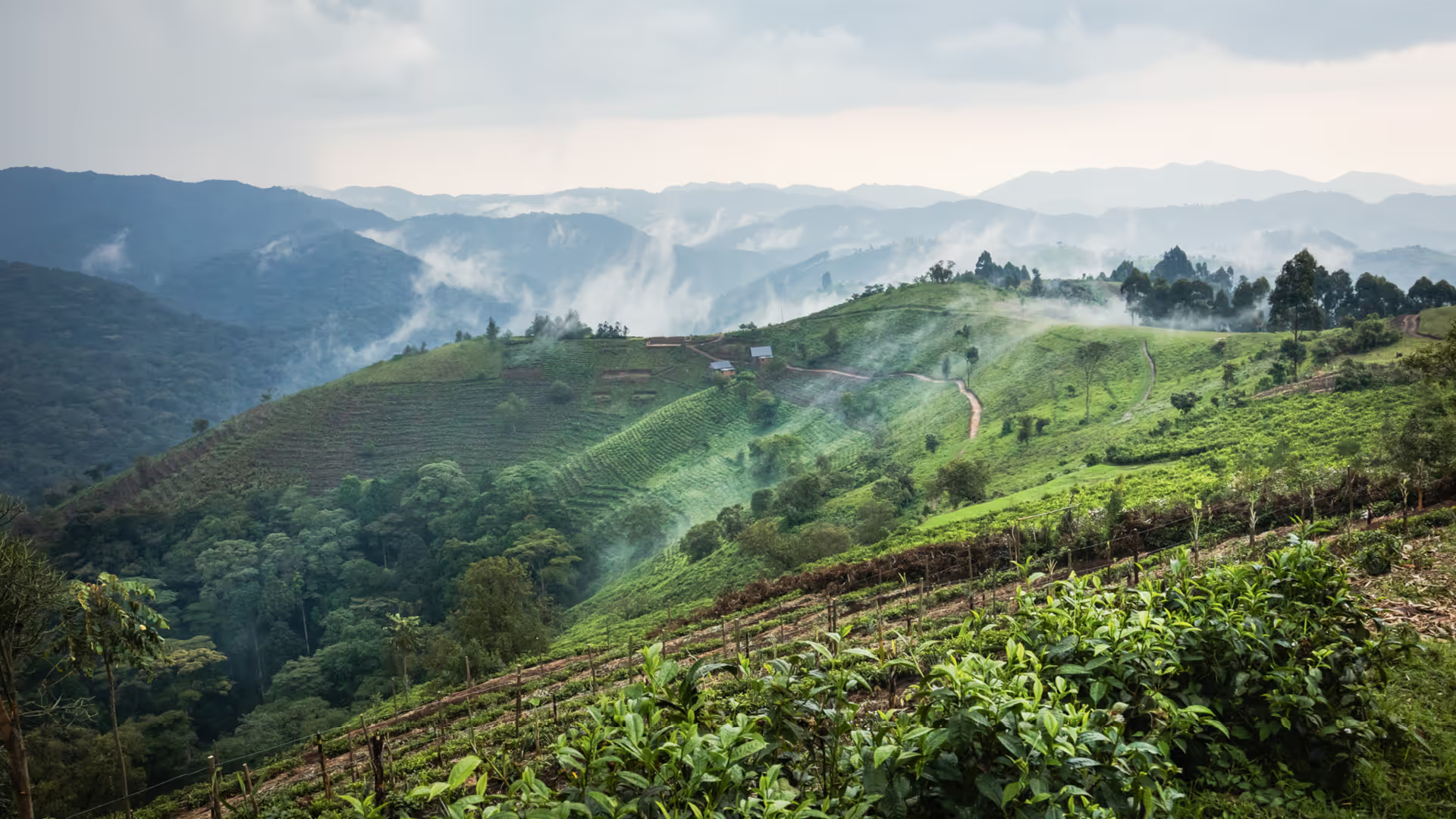
That said, the forests remain lush and vibrant year round. Travelling in the greener months can offer fewer crowds and a more atmospheric experience, with mist hanging in the trees and deeper tones in the landscape.
With the right preparation, there is no truly wrong time to go.
There are a few key considerations that can make a meaningful difference to your experience.
Permits are essential and limited. In Rwanda, they come at a higher cost, reflecting both demand and the country’s conservation model. Uganda offers a more accessible permit price, which can open up the experience to a wider range of travellers.
Fitness is often a concern, but it is less about peak ability and more about readiness. Treks vary in length and intensity, and experienced guides will do their best to match groups accordingly. Porters are available and highly recommended, not only for support but also as a way to contribute directly to local communities.
What you pack matters. Good hiking boots, neutral clothing, rain protection, and gloves for handling vegetation all help. A camera is worth bringing to capture those special moments, but equally, there is value in putting it down and simply being there.
.avif)
Beyond the experience itself, gorilla trekking plays a critical role in conservation.
Mountain gorillas are one of the few wildlife success stories in Africa, with populations increasing due to sustained protection efforts. Tourism is central to this. Permit revenue supports conservation initiatives, anti poaching efforts, and the communities that live alongside these forests.
When done thoughtfully, travel becomes part of that protection.
This is what makes gorilla trekking different. It is not only something you witness. It is something you contribute to.
Where you stay is an important part of the gorilla trekking experience.
In both Rwanda and Uganda, lodges are positioned close to the forest, allowing for early starts and a seamless return after your trek. These are spaces designed for quiet comfort rather than excess, where the pace naturally slows and the surroundings remain the focus.
There is an ease to it. Waking early to mist hanging in the trees, returning in the afternoon with boots still damp from the forest, and settling into a space that feels calm and considered.
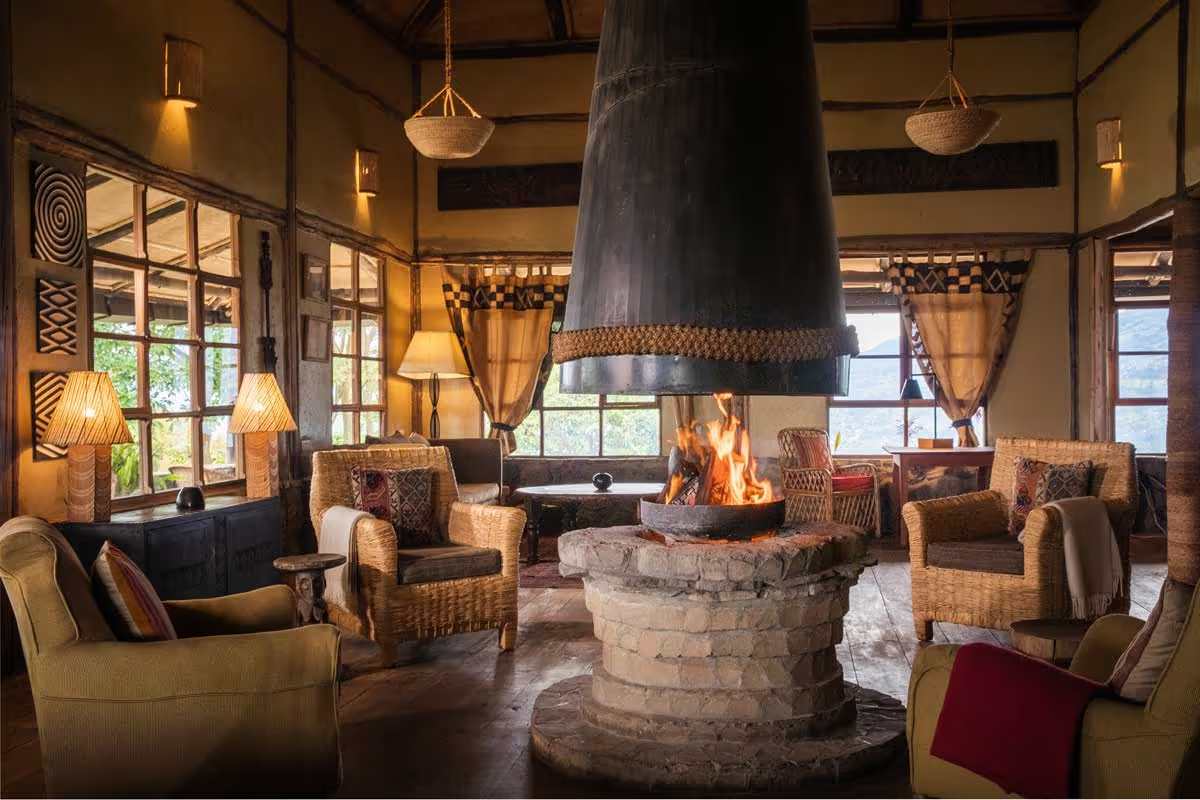
Think views into dense greenery, evenings by the fire, and a sense of stillness after a physically and emotionally immersive day. The service is intuitive, the design understated, and everything is centred around allowing you to fully absorb the experience.
It is in these moments, back at camp, that the experience often settles in. Where the pace softens, and what you have just witnessed begins to stay with you.
It can be physically demanding, but it is manageable for most travellers with a reasonable level of fitness. Treks vary in length and terrain, and guides will do their best to match groups accordingly. Porters are available and highly recommended.
How close do you get to the gorillas?
You will be within a few metres of the gorillas, while maintaining a respectful and regulated distance. The experience feels incredibly intimate.
You are allowed one hour once you reach the gorilla family. This is strictly controlled to protect their wellbeing.
Yes. permits are required and should be secured well in advance, especially during peak travel seasons.
The drier months from June to September and December to February are generally the most comfortable for trekking, but the experience is available year round.
Neither is better, they are simply different. Rwanda offers ease and refinement, while Uganda offers a more varied and immersive journey.
Gorilla trekking is one of those experiences where thoughtful planning makes all the difference. From securing permits to choosing the right region and shaping the journey around it, every detail plays a role.
Undiscovered Africa was created for travellers who want more than a checklist. For those who value authenticity, considered travel, and meaningful encounters.
Whether it is a focused journey in Rwanda or a more expansive safari through Uganda, the experience is best when it is designed with intention.
Discover our hand picked African experiences, or connect with a safari expert to tailor your journey.